
For fast-growing ecommerce brands, the platform you choose isn’t just a technical decision — it’s a growth strategy. And while SaaS platforms offer convenience early on, many merchants eventually discover the hidden trade-offs: limited flexibility, exorbitant fees, and an inability to scale on their own terms.
That’s why more ambitious brands are moving to open-source ecommerce: software that gives you full ownership, control, and the freedom to build exactly what your business needs as it grows.
Open source isn’t an alternative, it’s the platform choice for brands that want to take agency over their future.
The growth problem with SaaS: You outgrow the box you start in
↑ Back to topSaaS ecommerce tools shine at the beginning: quick setup, low lift, streamlined onboarding. But as your business scales, those early conveniences can quickly become constraints. Eventually:
1. You hit customization ceilings
As your product offerings evolve, your operations mature, or your brand differentiates itself, SaaS platforms make it difficult — or expensive — to extend beyond predefined templates and workflows.
2. Costs climb as you scale
Higher-tier plans, add-on fees, transaction costs, and feature paywalls compound as you grow. What starts as a set of predictable costs quickly becomes restrictive and expensive.
3. Your business roadmap is limited by someone else’s software roadmap
Feature requests, platform changes, and system updates are controlled by the SaaS provider, not by you. Your growth moves at the speed their product evolves.
4. Data and experience ownership are limited
Your customer experience is only as flexible as the platform allows. You don’t have full access to your underlying code, stack, or architecture — which makes innovating harder.
Growing brands start to feel it: You’re moving faster than your platform lets you.
What is open-source ecommerce?
↑ Back to topOpen-source software makes its source code publicly accessible to read, modify, and work on. In contrast, proprietary or closed source software locks the code down, only allowing the original developers to legally edit it and make changes.
Open-source licenses
How do open source licenses work? They differ dramatically from their closed source counterparts. Typically, they allow people to use the software in any manner they see fit. WordPress, for example, falls under the General Public License, which outlines four freedoms:
- The freedom to run the program for any purpose.
- The freedom to study how the program works and change it to make it do what you wish.
- The freedom to redistribute.
- The freedom to distribute copies of your modified versions to others.
Open-source community
But the idea of open source goes beyond just licenses and code availability. There’s a general attitude of community and collaboration that typically comes with this type of software. Because the code is available for anyone to edit, web developers can contribute to the project as a whole and improve it in a variety of ways.
Open source in the ecommerce space
Open-source ecommerce software, of course, is a set of tools that follow these principles, with features specifically for online stores. WooCommerce is one example of an open-source ecommerce platform, offering everything merchants need to run an online store.
Proprietary vs open source ecommerce platforms
↑ Back to topNow that we’ve established the idea behind open source, let’s see how it differs from closed source (or “proprietary”) alternatives.
Open source | Closed source | |
|
Source code availability |
Available to the general public |
Not available to the public |
|
Ability to modify code |
Anyone can modify the source code and contribute to the software |
All modifications are made by the software developers themselves |
|
Support |
Often provided by the community of users |
Typically provided by the software’s team members |
|
Cost |
Often free or available at a much lower cost |
Typically only available at at a premium price |
|
Transparency |
Full transparency, since the code is visible to all |
Limited transparency, since the average user cannot view the source code |
|
Innovation |
Limitless, since so many developers are contributing |
Limited based on the software’s team size, budget, etc. |
As you can imagine, these differences can really impact the experience for the store owner and their audience.
Why open-source ecommerce is the best choice for ambitious brands
↑ Back to topAs brands grow, their needs shift — and not every platform can keep up. That’s why high-growth businesses are increasingly turning toward open-source ecommerce. Let’s explore what’s driving this shift and why it matters.
Control and ownership
When you run an online store, you want to have full control over everything from the design of your ecommerce site to the content you publish. This is where open source shines.
Account shutdowns
If you use a proprietary ecommerce platform, like Shopify or Wix, you’re beholden to the terms of their licenses, which are much more stringent than with open source. If you accidentally break any of their terms of service, they can take down your shop with no notice.
Shopify has suspended stores selling CBD products, supplements, and even vintage items that triggered fraud filters — sometimes with little warning and limited appeal options. Those merchants often lose access to years of customer data and order history while disputing the decision.
This means that you could suddenly lose all of the hard work you’ve put into your online store, suffer a damaged reputation, and miss out on sales while you try to get back up and running.
In contrast, when you choose an open source ecommerce tool like WooCommerce, you can use it for anything you’d like. You install the software on the hosting provider or server of your choosing, and you have full control over it. The software developers can’t take down your store for any reason.
Complete exports and backups
With open source, you also have more control over backups and migrations. You can back up both your site content and the software itself using the method you prefer — manually, host-provided, or with a plugin. Store them in the cloud or on your own device. And if you ever want to switch to a new hosting provider, use them to move wherever you’d like.
This isn’t the case with closed-source ecommerce platforms. While some do offer backup tools, they typically just save your content rather than the software, leaving you with incomplete copies of your site.
Migrating to another platform is difficult at best. Since the proprietary tool owns the software and code, you can’t simply move it elsewhere. So while you can migrate some of your content — though that can be difficult in many cases, too — you can’t move your entire online store.
Cost
Pricing is often a big consideration for growing brands. Many proprietary platforms charge monthly or yearly fees, and some even take a percentage of each sale that you make. Those costs can increase as you grow, earn more sales, and need additional functionality.
That means less money in your bank account as you scale your business.
But most open-source ecommerce tools, like WooCommerce, are free to install. Those that aren’t are typically available at a much lower price than proprietary options. With WooCommerce you get total transparency and complete control over your costs, with no hidden fees or penalties. You can even get a personalized cost estimate upfront based on your store’s needs with our free calculator.
Open source also offers much more cost flexibility. When Shopify raised transaction fees and changed their pricing tiers in 2022, merchants had two choices: pay more or leave.
WooCommerce merchants can switch between hundreds of providers (including hosting, payments, shipping, analytics, and more) competing for their business, often negotiating better rates as they grow.
Rapid innovation
There are constantly a lot of web developers working on, modifying, and improving the code of open source ecommerce software. They have a variety of backgrounds and experience levels.
And, instead of working for the proprietary company, they’re often striving to better the software or create a specific solution for themselves or their clients.
This means that there’s a lot of ingenuity, a lot of innovation, and a lot of passion put into the ongoing development of open source tools.
This simply isn’t the same as the development team working on proprietary software. Due to the nature of closed-source tools, they’re limited based on team size and experience, budget, and other similar constraints.
And because there are so many people working on open source software, they are likely to find bugs and security vulnerabilities faster. This can help make the software more secure and relevant.
Scalability
With fewer limitations, open-source ecommerce platforms allow for much greater scalability and can readily support anything from a small startup to an enterprise business. As your store grows, you won’t have to worry about hidden fees or costs based on the number of visitors, customers, products, or variations you have.
A WooCommerce store running a viral promotion can spin up extra server capacity in minutes through their hosting provider. SaaS merchants during the same scenario are stuck hoping their shared infrastructure can handle it.
As you make more sales and offer more products, you’ll likely need additional functionality as well. With open-source ecommerce platforms, there are typically many more extensions and add-ons to choose from. And if you can’t find anything to meet your business needs, the editable source code makes it possible for a web developer to create a solution just for you.
Finally, especially in the case of WooCommerce, you have the freedom to move to any hosting provider that you’d like. This allows you to upgrade server software and resources based on your traffic and functionality requirements, which isn’t the case with proprietary options.
If your host has repeated problems, you can migrate your WooCommerce store to a better provider over a weekend. SaaS merchants experiencing platform issues have no alternative but to wait. Overall, you have the opportunity to create a more scalable online store.
Flexibility, customization, and integrations
We’ve touched on this a bit throughout some of the other benefits listed. However, this is an area in which open source really shines. The ability to edit and modify source code for any purpose opens up a wealth of possibilities. You can create virtually anything you’d like. Or, of course, you could hire an expert to do so on your behalf or even for multiple stores that may need a shared solution.
This also enables you to create custom integrations with any tool that you use. In many cases, ecommerce stores need to sync with other sales channels, social media platforms, SEO tools, inventory management systems, specialty payment gateways, email marketing tools, and more.
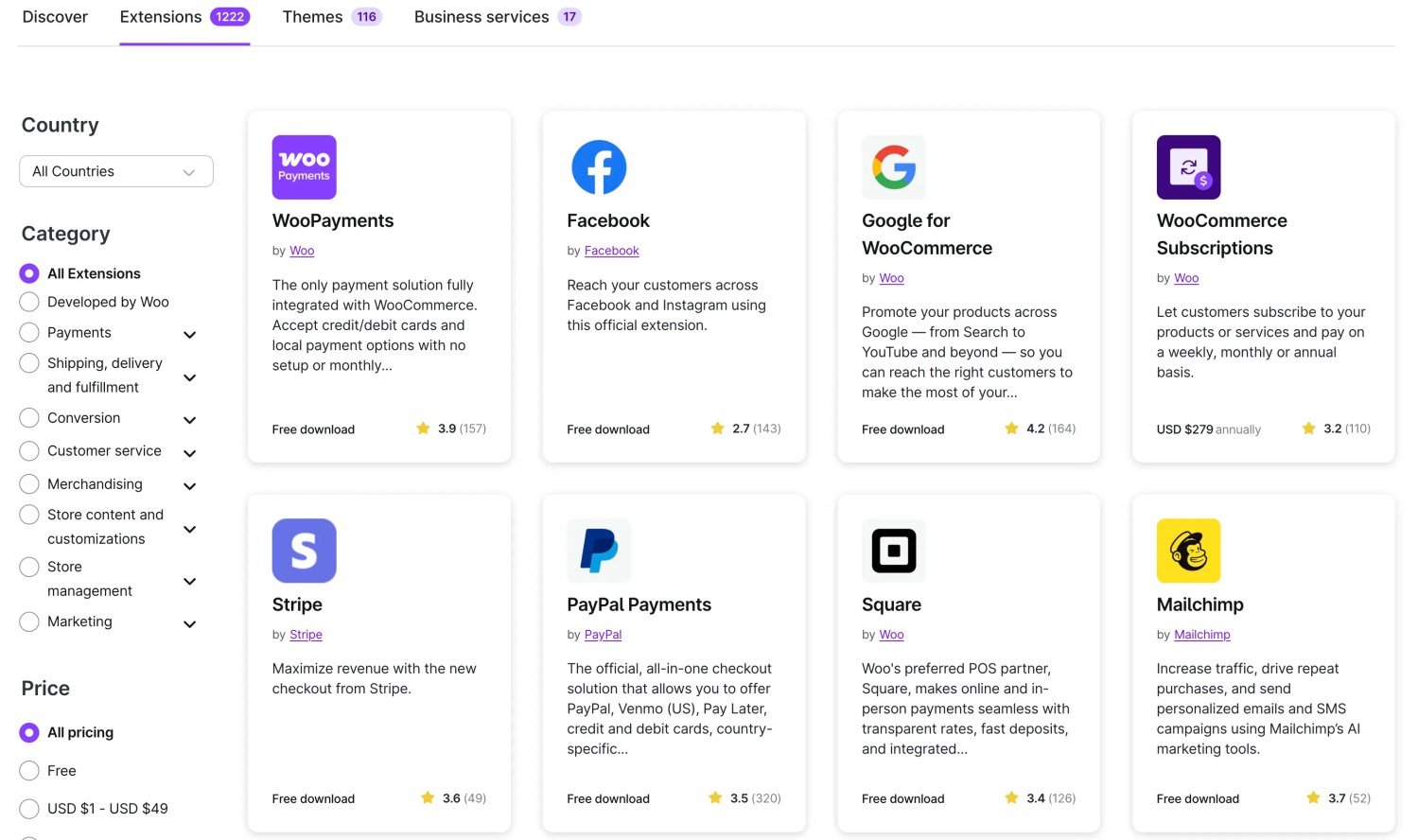
Again, there are often many more add-ons and third party integrations available with open source software due to the number of developers contributing. And if there isn’t something that meets your needs, simply create your own solution or work with someone who can.
Widespread community support
The community behind open-source software, especially the WordPress content management system and WooCommerce, is like no other. There’s an incredible sense of camaraderie and giving back to the project as a whole. It’s about the collective experience, driven by imagination and innovation.
As the WordPress.org website states, “Supporting the idea of democratizing publishing and the freedoms that come with open source, is a large community of people collaborating on and contributing to this project.”
In 2022, 988 people contributed to WordPress core development alone. And these contributions came from countries all over the world, including the United States, France, Bangladesh, India, and Italy.
And at each annual WordCamp U.S., there’s a Contributor Day, where members of the community can give back to WordPress core development. Activities range from fixing bugs and testing software to writing code and documentation — but it’s all designed to better the open source content management system (CMS) for all users.
Support for open-source software is typically shared with the community. For example, WooCommerce and WordPress have free support forums that allow anyone to contribute with helpful guidance and advice. This opens the door to unique, creative solutions from people who have experienced similar problems on their own store.
No vendor lock-in
When you’re using a closed source ecommerce tool, it can be quite difficult to leave. To start, you may be locked into an agreement for a certain amount of time. Or perhaps you even paid for a year or more in advance.
Then, there’s the fact that the software is proprietary. That means that not only will it not work on another platform, you simply won’t be able to access it and move it elsewhere. You also typically don’t have access to full ecommerce website backups or, if you do, they’ll only work on that specific platform.
How does this manifest itself for ecommerce store owners? If you ever outgrow the platform you’re using or simply want to move for any other reason, you’ll lose a lot of your hard work.
While you can usually migrate information like product and customer data and sales history, you can’t move the actual design of your site. The migration process can also be tricky, especially without a third-party tool or web developer at your side.
Take a look at how migrations work for Shopify and Wix.
Ease of use
Proprietary software is typically marketed as easy to use, but it’s important to understand that this can also be true for open-source software.
For example, WooCommerce users can take advantage of the powerful built-in block editor. Design pages, checkout experiences, blog posts, headers, footers, and more by dragging and dropping elements — like images, videos, columns, paragraphs, and headings — into place.
This allows absolutely anyone, regardless of their development or design experience, to build a beautiful, functional ecommerce store.
Open-source software also typically has extensive documentation available, along with a huge volume of community support. All of this combined with the flexibility of open source makes for a robust store building experience.
Considerations for open-source ecommerce software
↑ Back to topOpen-source ecommerce isn’t a one-size-fits-all solution. While it offers unmatched control and flexibility, your business is best suited for open-source ecommerce if you can manage a few key responsibilities:
You can manage core tasks in-house
With open-source software, routine maintenance and decisions are in the hands of the store owner. This includes things like updates, maintenance, backups, and ecommerce security practices.
This, of course, is a trade-off for more control. You can handle these tasks however you see fit and ensure that they’re being done to the highest quality. But some may prefer to be completely hands off, as you can with proprietary software.
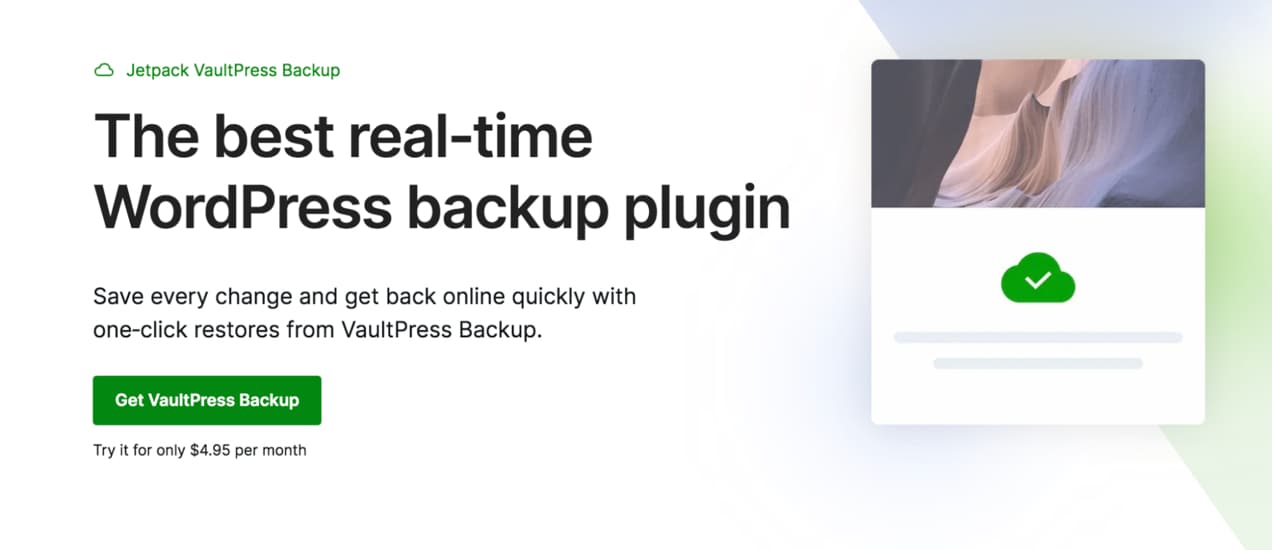
With WordPress, however, you can automate many of these tasks. Turn on auto-updates, set up real-time backups, and add a security plugin — it’s the best of both worlds.
You can work with less hands-on support
For your core software, WordPress and WooCommerce have a combined team of over 200 support engineers distributed around the world — meaning someone is always available to help. For high-volume businesses, we also offer dedicated support and can make referrals to certified WooCommerce agencies based on your specific requirements.
Some plugins and extensions are maintained by third-party developers who may have small support teams. But, there is a wealth of documentation available, along with tutorial videos, meetups, Facebook groups, and more.
You may also receive more dedicated support from specific hosts and software providers you’ve purchased services from, though these can be limited to the specific features they provide.
You can make key decisions for your store setup
Proprietary systems typically include ecommerce functionality alongside hosting, dedicated support, backup tools, security practices, and more. It’s all packaged together.
With self-hosted open-source ecommerce software (e.g. not using WordPress.com or Pressable), you’re responsible for choosing these “extras.” You can pick your own cloud hosting or standard hosting provider, install a backup plugin or manually take your own, choose your own inventory control systems, work with multiple payment gateways, set up security tools however you see fit, etc. It’s all in your hands.
Again, this gives you ultimate control to choose the right solution for your specific situation, but might not be right for every single business.
You can vet plugin quality standards
One of the benefits of open source is the wide array of add-ons and plugins that developers have created using the source code. Many of these are available for free.
However, they come from a variety of sources and developers, not all of which have been tested for compatibility with the most recent WooCommerce updates. There are even nulled versions of premium plugins and themes that can introduce security vulnerabilities into your site.
The simple solution to this is to vet your sources. For example, everything in the WordPress.org theme and plugin repository has been verified for security, along with all of the extensions in the WooCommerce Marketplace.
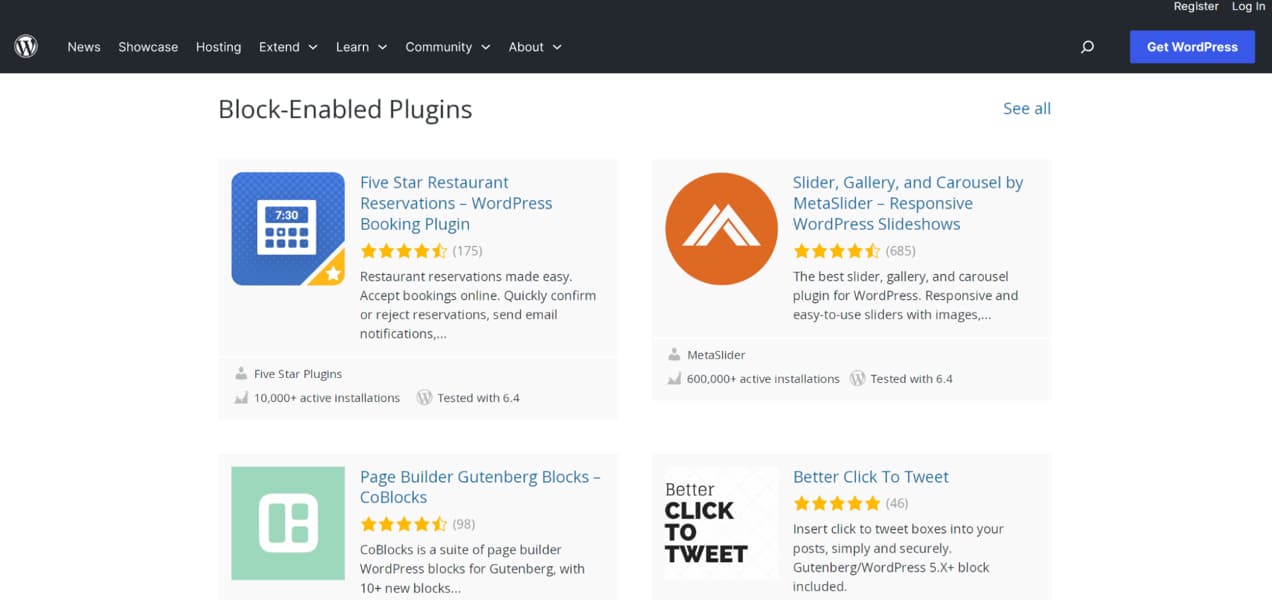
What can you build with open source ecommerce software?
↑ Back to topWith open source, the options are limitless. You can use WooCommerce as a B2B ecommerce platform, a B2C online store, or even create your own custom ecommerce solutions (or hire a developer to do so). Here are a few types of stores you can build with the best open-source ecommerce platforms:
- Traditional ecommerce stores
- B2B businesses
- Service-based companies
- Multi vendor marketplaces
- Restaurant ordering systems
- Stores with regulated or restricted items (like CBD or medical equipment)
- Online bookings and reservation systems
- Subscription-based sites
- Membership portals
- Wholesale stores
- Online course websites
- Digital download hubs
- Software licensing businesses
- Nonprofits
There are millions of merchants using WooCommerce, and you can read some of their success stories here. But let’s take a closer look at a few:

Northwest Eye Design
Northwest Eye Design is an ocularist office that specializes in high-quality, custom ocular prosthetics. They also sell accessories on their website, such as eye patches and cleaning products.
They use WooCommerce to sell not just one-time items, but also offer subscriptions for products that customers need to order frequently.
MegaFit Meals
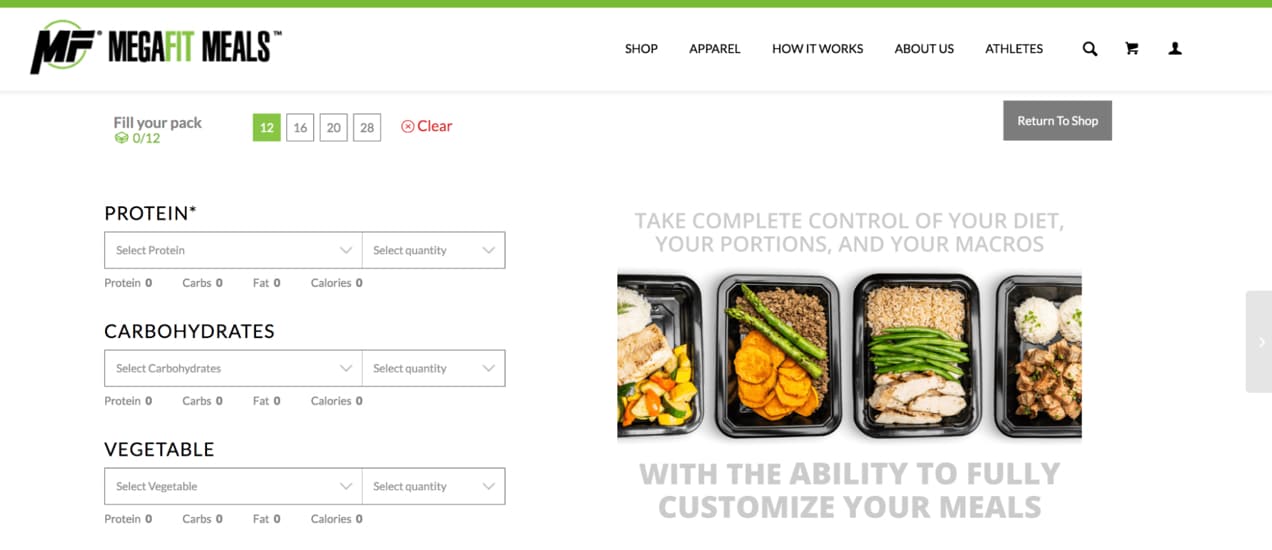
MegaFit Meals sells prepared meals for people working on achieving specific nutrition goals. With open source ecommerce platform, WooCommerce, they offer signature meals that list macros and nutrition facts at a glance.
They also have a custom meal section of their online business. Shoppers can choose their proteins, carbohydrates, and vegetables to create a box of custom meals for their specific needs.
DVO Suspension
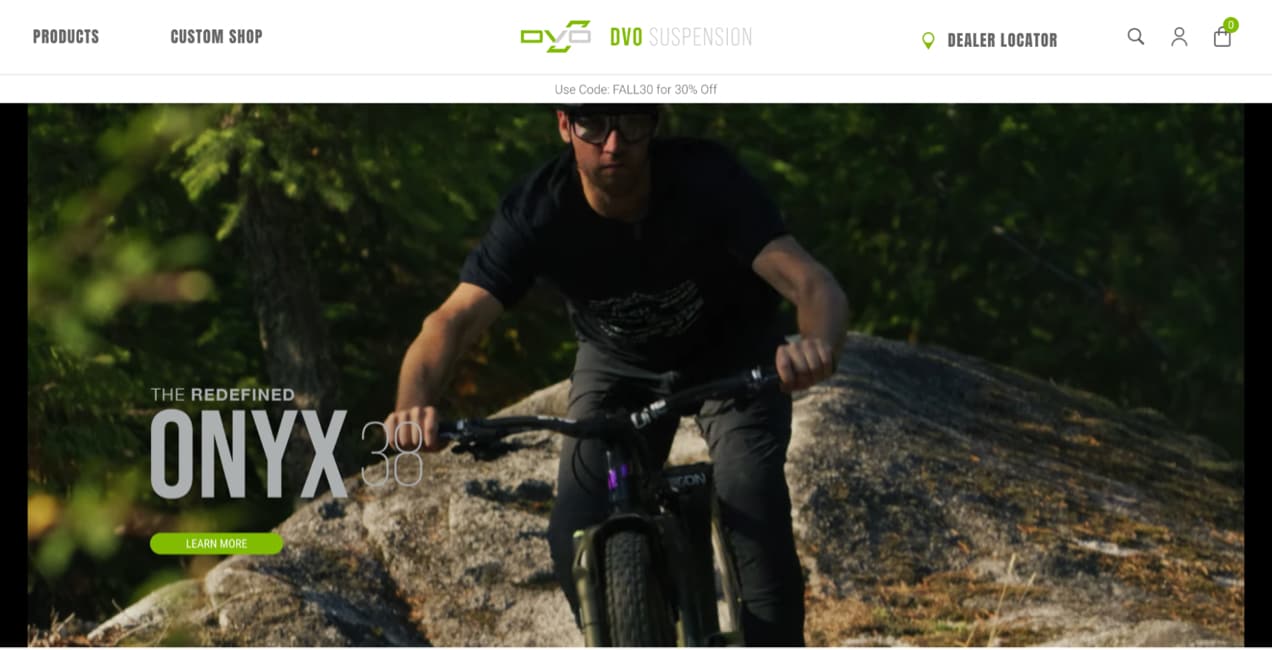
DVO Suspension sells specialty mountain bike suspension parts. Their store features filters that help shoppers narrow down to the exact product they need. They also have a product finder tool and even a custom shock suspension option.
Enjoy ultimate freedom and flexibility with open source
↑ Back to topOpen source is the ultimate gateway to freedom and flexibility for online stores. Without the restrictions and limitations posed by proprietary platforms and licenses, you can truly create anything that you can imagine.
And when it comes to free ecommerce platforms that are open source, WooCommerce truly stands out. It was created so that anyone can sell online, regardless of technical expertise. Plus, it offers powerful functionality and is backed by a developer community passionate about open-source ecommerce.
Frequently asked questions about open source ecommerce
↑ Back to topDo you still have questions about open source ecommerce? Let’s answer a few common ones.
Why is open source important?
Open source software is incredibly important in the tech space. First of all, source code that’s available for all to modify creates a great environment for innovation and creativity. You often end up with some of the most revolutionary ideas under these conditions.

Allowing anyone to examine and work on the code also means great transparency and security. The more people working on it, the greater the chance of catching bugs and identifying issues.
Finally, open-source software allows for equality and opportunity for all. Due to the nature of open source, anyone can use it, regardless of their economic status or any other factor.
Is WooCommerce open source?
Yes, WooCommerce is an open source ecommerce platform, along with WordPress, the CMS it was built upon. In fact, this has been an integral facet of WordPress since its founding. It goes beyond just software development and has truly turned into an incredible, innovative community designed to make website creation accessible to all.
Who can contribute to open source software?
Everyone can contribute to open source software! Because the code is available for anyone to view and modify as they see fit, anyone can contribute their ideas, skills, experience, and talent.
Contributors don’t need web development expertise, either. For WordPress Contributor Day, for example, there are a variety of areas that volunteers can work on, including:
- Core code
- Design
- Translations
- Accessibility
- Community
- Documentation
- Marketing
- Testing
- Photography
If there’s something you want to contribute, you can find a way to do so.
Is open-source software secure?
Open-source ecommerce software can be very secure. Because there are so many people contributing to the source code, it’s easier and faster to find vulnerabilities and solve any potential security problems.
That being said, any and all software can be hacked, whether it’s proprietary or open source. And, in the case of open source, more security tasks can fall into the hands of the individual website owner. That’s why it’s important to follow basic security steps to protect your content and data.
Do open-source ecommerce tools require more technical knowledge?
This, of course, can vary dramatically based on the specific tool that you’re using. With open-source ecommerce platforms, more power is put in the hands of users. While this allows for ultimate freedom and flexibility, and comes with a wealth of additional benefits, it can also mean a greater learning curve.
However, tools like WooCommerce and WordPress are designed for anyone to use, regardless of their level of technical expertise. With extensive documentation, a vast, global community, and powerful tools like the block editor, even the newest user can create a beautiful, successful online business.
What is a SaaS ecommerce platform?
SaaS stands for software as a service, and is a method of delivering programs to end users online. Rather than purchasing and installing the software, users log in on a compatible device to use the tools. They also subscribe to the software, making this model like renting an apartment, with open source software similar to owning a house.
SaaS ecommerce platforms are not open source. They often include online store functionality, alongside hosting and tech support all in one. However, the software is hosted on their own proprietary platform and the source code is typically not available to modify. In many cases, the terms “software as a service”, “proprietary”, and “closed source” are used interchangeably.
Examples of SaaS platform solutions include Shopify and Wix.
What are some examples of open-source ecommerce platforms?
WooCommerce is the most popular and best open-source ecommerce platform thanks to its incredible community, limitless flexibility, and powerful functionality. It’s a completely free platform that is built upon the foundation of WordPress, which is also open source.
Other open-source ecommerce platforms include Adobe Commerce (formerly Magento Open Source / Magento Community Edition), Drupal Commerce, and Joomla.
What are some examples of other open source software?
The impact of open source software goes beyond ecommerce, with examples like:
- WordPress: The most popular content management system (CMS)
- Mozilla Firefox: A free web browser
- PHP: Hypertext Preprocessor, a coding language
- MYSQL: A popular type of database that powers applications like WordPress, Netflix, and Facebook
- Linux: An operating system comparable to Windows and iOS
- FileZilla: A file transfer protocol (FTP) tool
- Audacity: An audio editor and recorder
- Android: A mobile operating system
How can I contribute to WordPress and WooCommerce?
There are lots of ways that you can contribute to WordPress and WooCommerce!
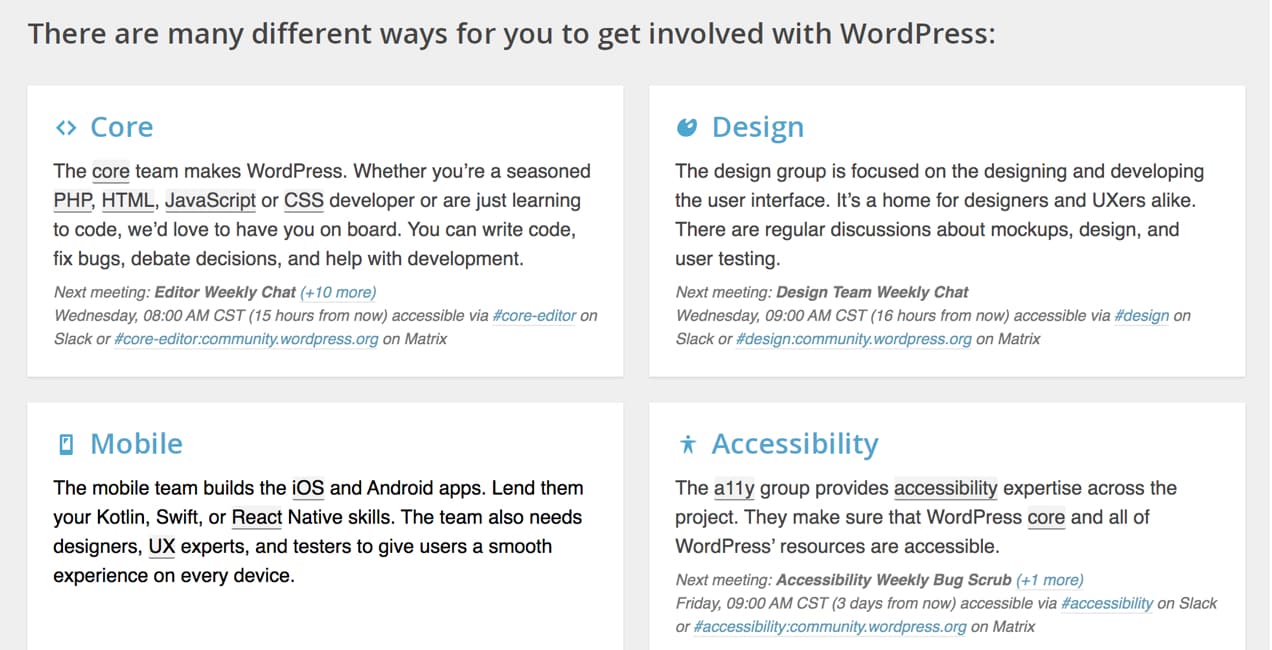
Here are just a few:
- Help develop WordPress core
- Answer a question in the support forums
- Join the WordPress design team
- Work on the accessibility of the software
- Help translate WordPress into a language you’re fluent in
- Build out software documentation
- Review and approve themes or plugins for admission into the WordPress repository
- Create training videos
- Submit a WooCommerce feature request
- Participate in customer research
- Test beta versions of WooCommerce
- Report security vulnerabilities
- Work on WordPress marketing
- Contribute to Five for the Future
- Attend a Contributor Day
As you can see, there are a variety of ways to contribute, no matter your skill set or experience level with WordPress and WooCommerce. An added bonus? You’ll get to meet some incredible people who are passionate about creating an open web.
Can I migrate from a proprietary ecommerce tool to an open-source one?
Yes, you can certainly migrate from a proprietary ecommerce tool to an open-source platform. However, due to the nature of closed source tools, you won’t be able to move all aspects of your current site.
For example, you can typically move data and information like page content, order history, and product information. However, you usually can’t move the actual design and layout of your website.
Ready to use WooCommerce as a Shopify, Wix, Magento, or BigCommerce alternative? Here are some guides to migrating to WooCommerce from proprietary platforms:
These will walk you through all the migration considerations and provide several methods based on your experience level.
Migrate to Woo and save
↑ Back to topGet up to six months of free hosting when you move to WooCommerce and see what it’s like to sell with no platform fees and 0% revenue share.
For full terms, see the offer details and Pressable terms of service.

About