Active installs
300+
Subscription includes
Support
User Role Editor for WooCommerce puts full control over user roles and permissions in your hands. Create custom roles, fine-tune what each role can do, and automatically move customers between roles based on what they buy, how much they spend, or how many orders they’ve placed.
Build rules that either grant a user an additional role or switch them from one role to another, based on conditions like a specific product purchase, a subscription purchase, an order total, total lifetime spend, or order count. Set a rule to run for a limited time, schedule it to a date range, and decide exactly what happens once that window closes, whether that’s reverting the user or moving them to a different role entirely.
Beyond role automation, the plugin gives you granular control over frontend menu visibility, detailed capability management across WordPress and WooCommerce, and full history tracking so you always know who changed roles, when, and why.
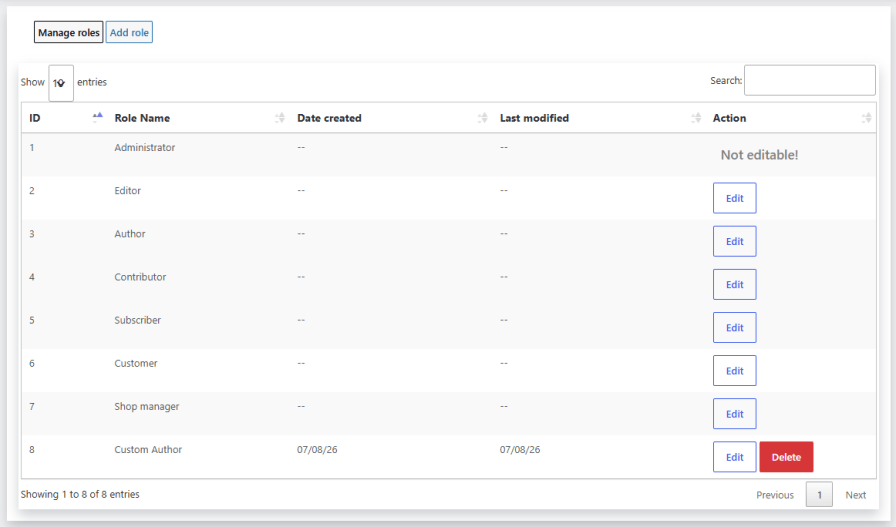
Create new user roles or edit existing ones, whether default WordPress roles or custom roles you’ve built. Name each role, set its capabilities, and save it for reuse across your store. Remove a custom role in a click when it’s no longer needed, and default WordPress roles stay untouched unless you choose to edit them.
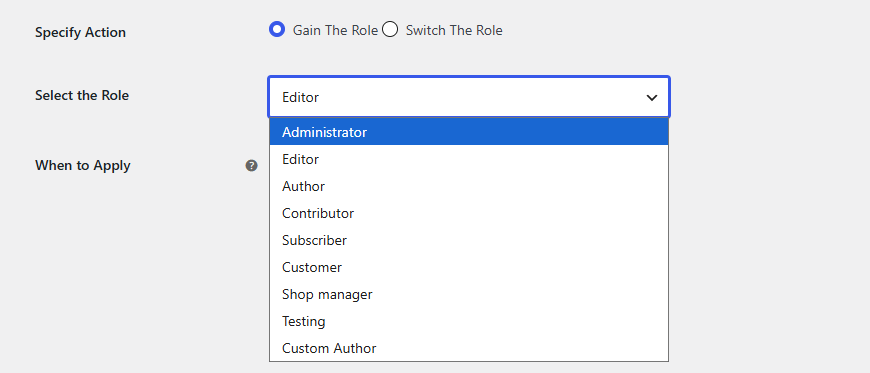
Set up rules that either add a role to a user on top of what they already have, or switch them from one specific role to another. A subscriber can gain customer status after their first purchase, or a customer can switch to a VIP role once they hit a spending threshold, all handled automatically based on your rules.
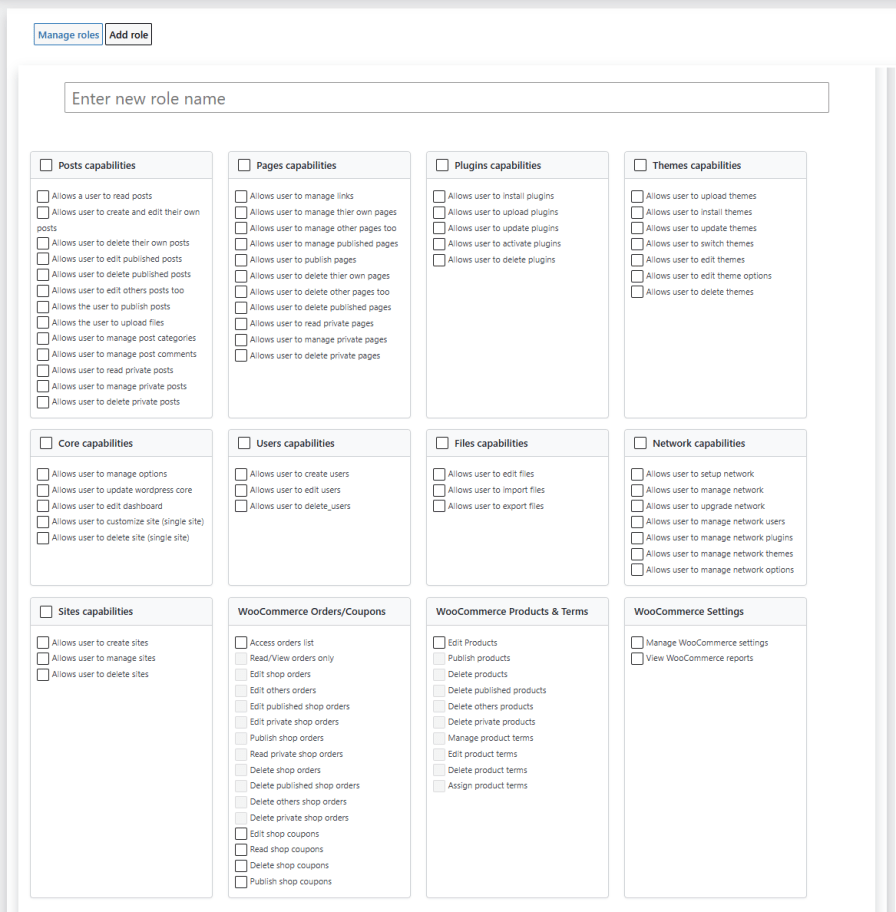
Define exactly what a role can and can’t do. Configure capabilities across:
You can also grant access to specific individual plugins for a role, instead of an all-or-nothing plugin permission.
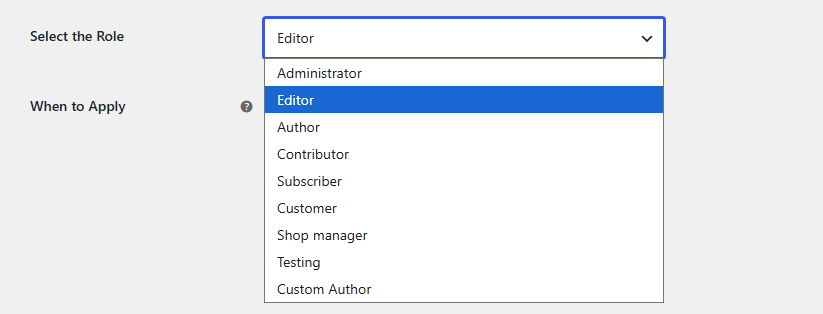
Automatically place new users in the right role the moment they register or make a purchase, whether that’s customer, subscriber, or any custom role you’ve created, so onboarding stays consistent without manual work.
Build as many rules as you need for different user groups, each with its own name, action, and conditions, so different segments of your customer base are handled exactly how you want.
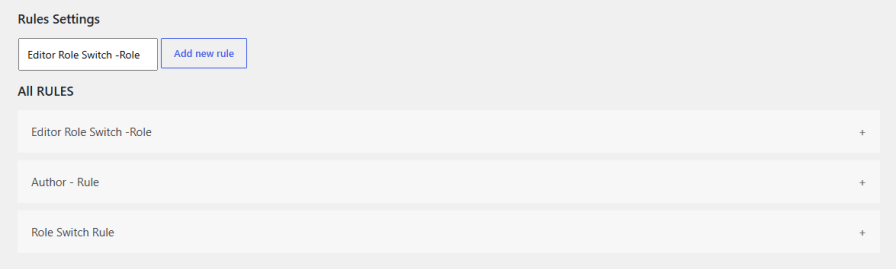
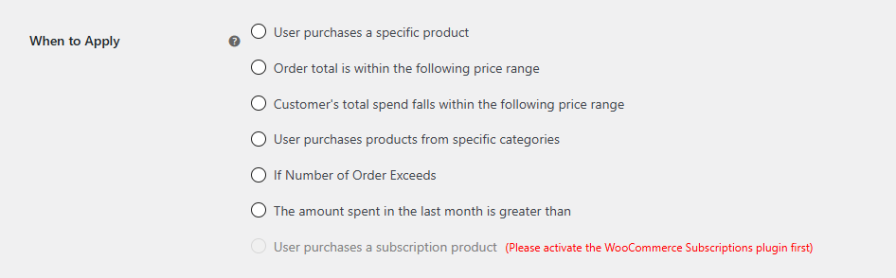
Trigger a role change based on real customer behavior:
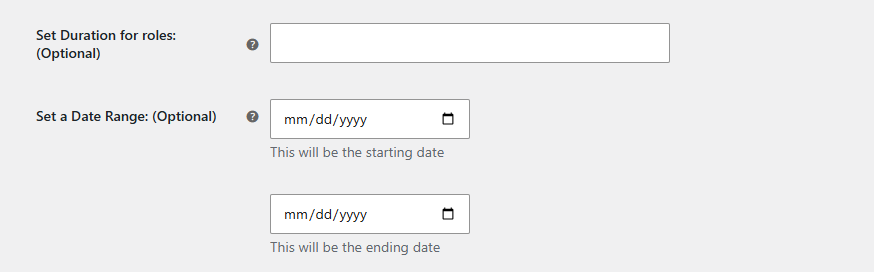
Apply a rule within a specific start and end date for time-based promotions, or set a temporary role that lasts a set number of days. Once that duration ends, decide whether the user reverts to their previous role or switches to a different one you specify.
Keep specific user roles out of a rule entirely, so automated switching only applies to the segments you actually want to target.

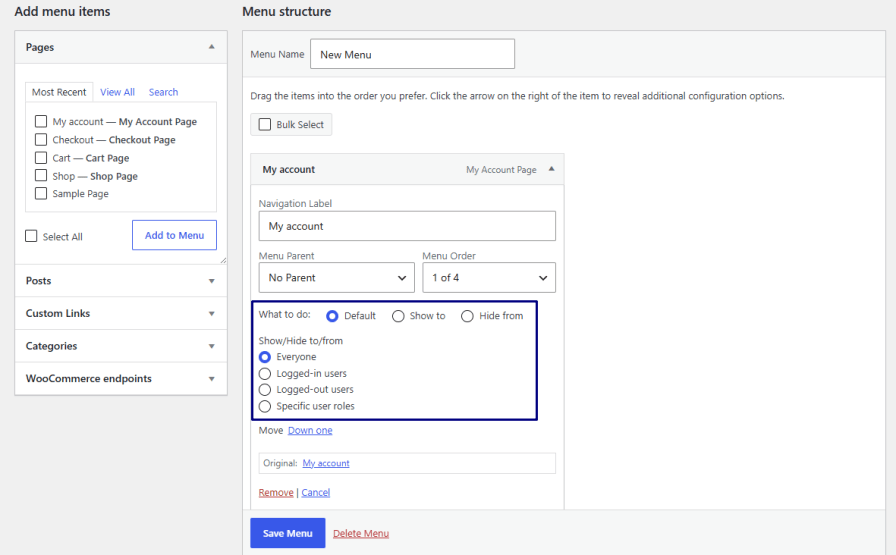
Manage exactly who sees what in your site’s menus. Enable menu visibility controls, then configure each menu item under Appearance > Menus with one of three display modes: Default, Show To, or Hide From, applied to everyone, logged-in users, logged-out users, or specific user roles.
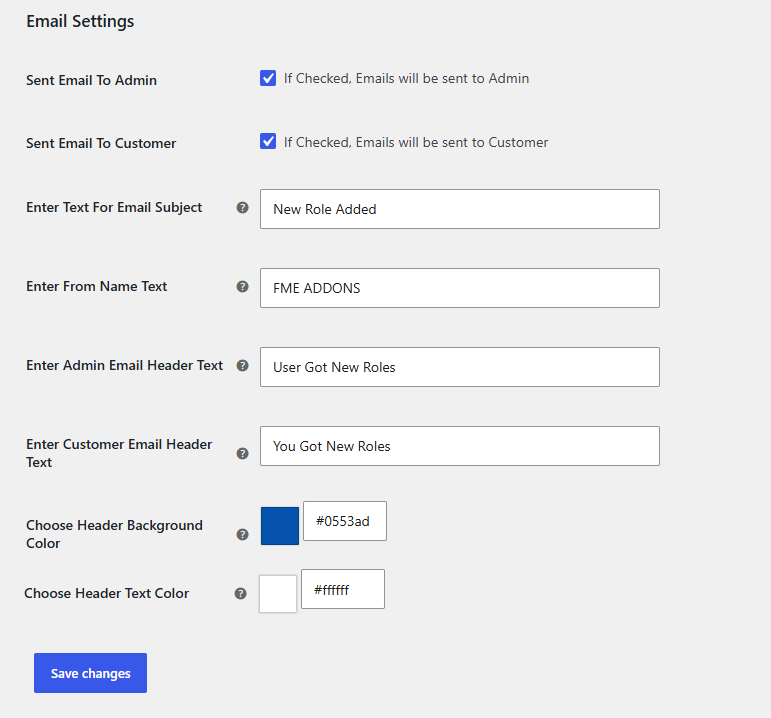
Keep users and admins informed with automatic emails on every role change. Set the email subject, the “From” name, separate header text for admin and customer emails, and choose your own header background and text colors to match your brand.
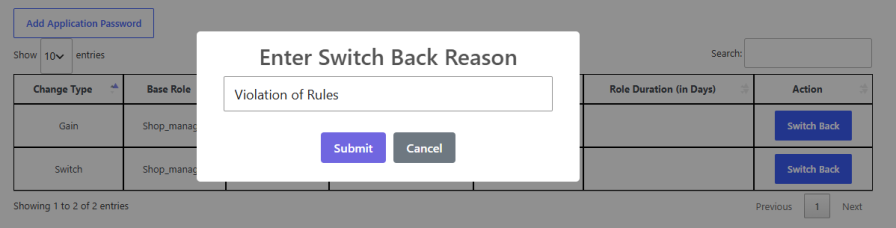
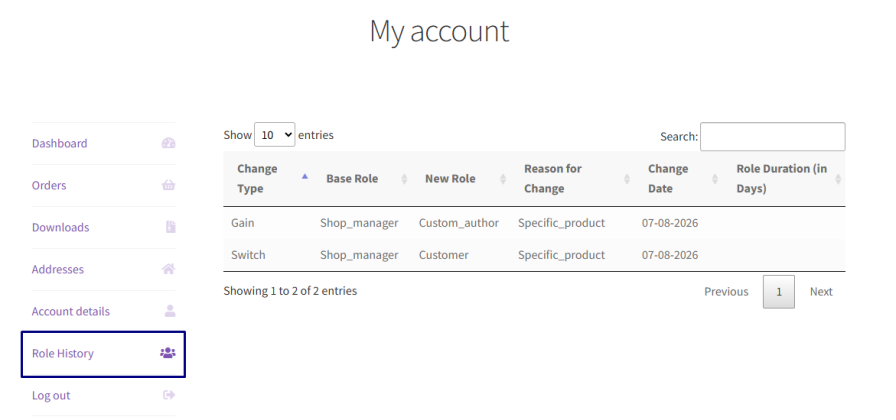
Every role change is logged, giving you a full role-switch history for each user, and you can switch them back to a previous role directly from that history whenever needed.
Yes. You can trigger a role change specifically when a customer purchases a subscription product, in addition to one-time product and category purchases.
Both are possible. Rules can be set to either "Gain the Role," which adds a new role on top of the user's existing one, or "Switch the Role," which moves them from one specific role to another.
Yes. You can configure granular capabilities role by role across areas like Plugins, Themes, Users, and WooCommerce settings, and you can also grant access to individual plugins rather than an all-or-nothing plugin permission.
Yes. Temporary roles can be set to last a specific number of days, and you choose what happens once that period ends, either reverting the user to their previous role or switching them to a different one.
Yes. You can trigger a role change based on a customer's total lifetime spend, spend in the last month, total number of orders, or a single order's value, in addition to specific product or category purchases.
Yes, if you enable it. Email notifications can be sent to the admin, the customer, or both, and the subject line, sender name, header text, and header colors are all customizable.
Yes. Every role change is logged in a role-switch history, and you can switch a user back to a previous role directly from that history.
Extension information
Quality Checks
Countries
Languages