




It’s always important to truly understand your target customer. What do their day-to-day lives look like? What problems does your product or service solve for them? Why did they choose you over a competitor? Buyer personas will help you answer questions like these.
This is especially true during periods of rapid change or uncertainty in the market and around the world. Your potential customers’ lives may look very different than they did even a few months ago. Having a firm grasp on your target customer allows your store to adapt to changing needs and enjoy continued success.
What are buyer personas and why do they matter?
↑ Back to topA buyer persona is a fictional profile that represents a segment of your target audience — who they are, what they value, and what they’re concerned about. It typically includes demographic information like age ranges, attitudes, interests and behaviors.
They should be a reflection of the niche you fulfill in your industry and should be specific. If you’re a coffee roaster, you don’t need a persona to represent the generic category of coffee drinkers. You need a persona for your coffee drinker, like busy entrepreneurs in their 40’s who want to brew high-quality coffee with a French press before they go to work in the morning.
Buyer personas amplify your sales, branding, and marketing efforts by giving you realistic people that you can relate to. They give you the clarity to create a customer experience that feels relevant, timely, and intentional across every touchpoint.
How to create buyer personas
↑ Back to topEven if your sales team has done some persona work in the past, refining them with stronger data inputs and cross-functional buy-in can create a major lift in how you personalize marketing, improve UX, and prioritize development.
This four-step framework will help your marketing team develop buyer persona profiles that generate higher conversion rates and stronger brand consistency across marketing, branding, and sales teams.
1. Gather information
Effective customer personas are based on real information and market research rather than assumptions. The goal here is to model distinct patterns that emerge across your actual buyer base.
The more reliable and specific your inputs, the more useful your personas will be across product, merchandising, and marketing strategy.
Conduct customer research across three main dimensions:
| Demographics | Attitudes and interests | Behaviors |
| Quantifiable traits that describe who your customers are. | Psychographic traits that reveal how customers think, what they care about, and what motivates their decisions. | Observable actions that show how customers interact with your products, content, and buying experience. |
| • Age ranges and generational segments. • Gender identity (if relevant to your product). • Household income or spending power. • Geographic location — country, region, or urban vs. rural. • Occupation or industry (especially important for B2B or niche brands). • Education level. • Marital or parental status. • Household size. • Shopping preferences (e.g., solo vs. gift-giving vs. household needs). | • Lifestyle habits (e.g., fitness-focused, frequent traveler, homebody). • Brand values they gravitate toward (e.g., sustainability, convenience, status). • Product-related goals (e.g., save time, feel more confident, reduce clutter). • Key frustrations or unmet needs. • Relevant interests (e.g., skincare, tech, design, parenting, outdoor recreation). | • Order frequency and average order value. • Repeat vs. first-time buyer tendencies. • Channel preference (e.g., mobile vs. desktop, email vs. SMS). • Pages visited or products viewed. • Engagement with educational content, FAQs, or reviews. • Time to purchase (e.g., fast decision-maker vs. multi-session researcher). |
Understanding these dimensions allows your team to create personas that reflect how your best customers think and behave.
How do you collect this information?
Start with existing customer data. The Customers report gives your team a unified view of both registered users and guest purchasers by consolidating data across repeat orders made with the same email address.
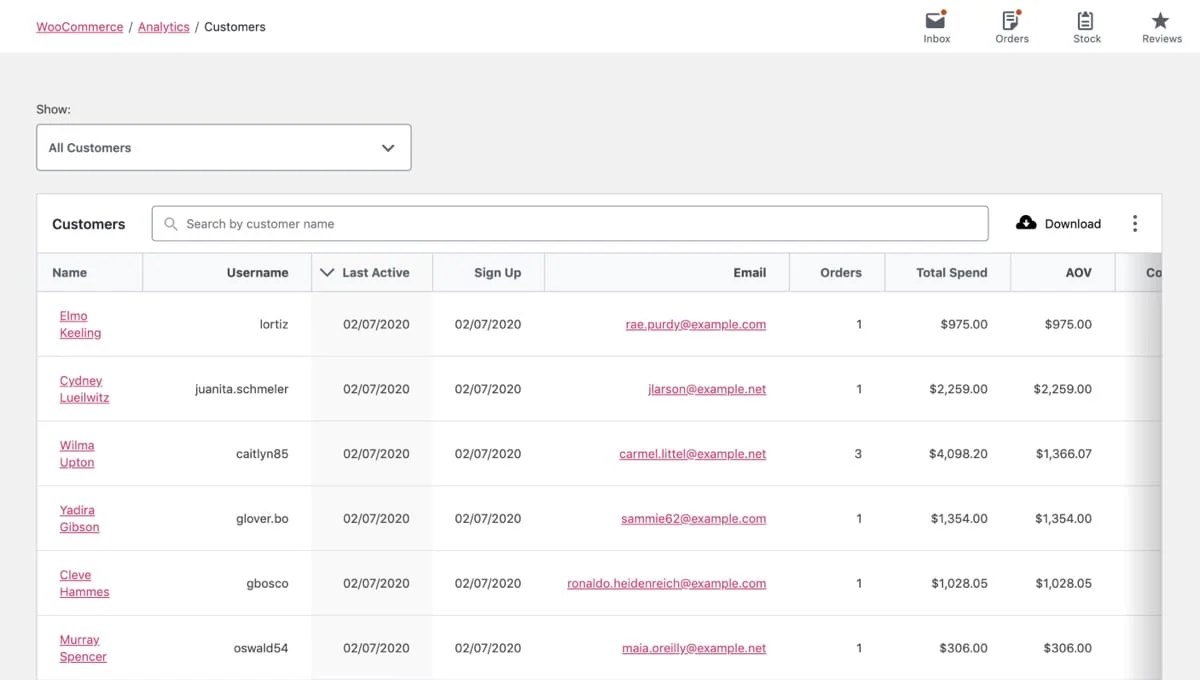
Use the report to surface high-value patterns by sorting customers based on:
- Order volume and total spend: See who buys most frequently and who contributes the most revenue.
- Last active date and signup timestamp: Identify long-term, loyal customers versus recent newcomers.
- Location data: Spot geographic clusters by country, city, region, or postal code to tailor shipping, promotions, or local campaigns to your target audience.
Even simple filters — such as segmenting repeat buyers from one-time shoppers — can help you pinpoint traits that define your core customer groups. If a specific region shows higher order volume or AOV, that insight can inform localized ads or inventory strategy.
Use this report as a jumping-off point for buyer persona development. For example, if your top 20 customers by lifetime value are all based in metro areas and frequently order via mobile, that’s a signal to prioritize mobile UX and fast shipping in those regions.
Add optional fields to contact forms and checkout pages. To collect additional information, consider adding a question to the checkout process. Don’t add anything too complicated, and stick with questions related to their purchase, like whether they’re purchasing for themselves or someone else, if they have a dog or a cat, or the age of their child. Learn how to customize checkout fields.
Send a survey to previous and existing customers. Surveys can validate assumptions and uncover trends across segments especially when coordinated as part of a broader voice-of-customer (VoC) initiative led by your customer experience (CX) team or product marketing.
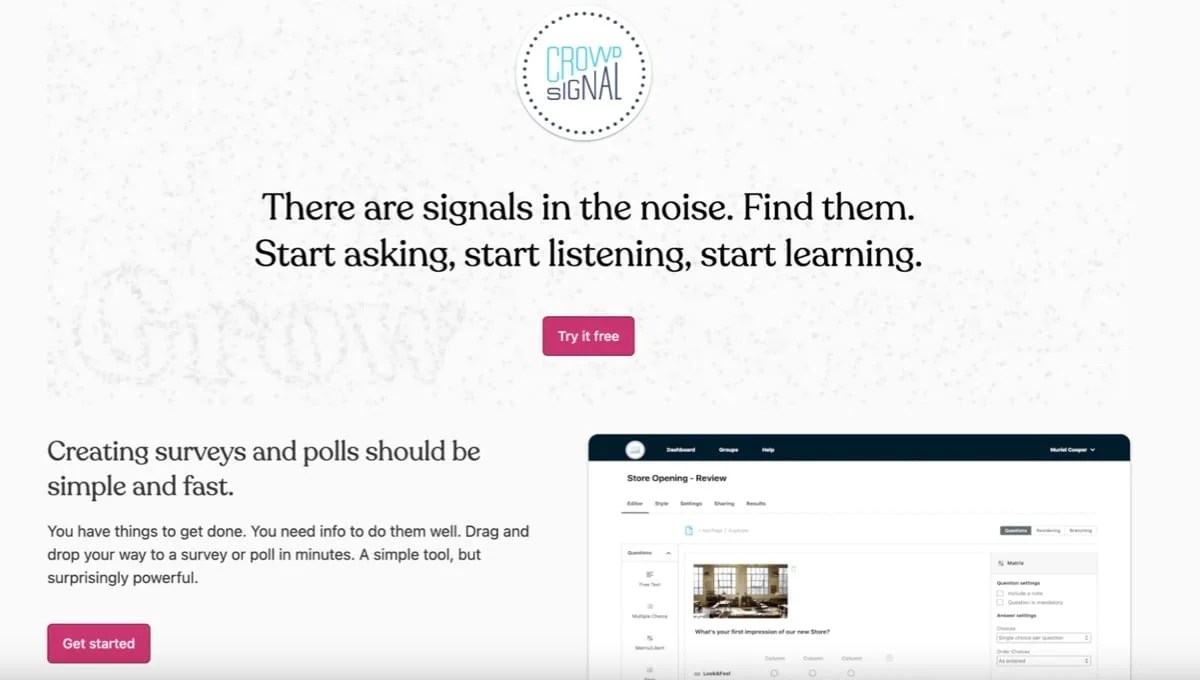
Collecting customer feedback through surveys is crucial for creating detailed buyer personas. Use a tool like Crowdsignal to send surveys to email subscribers or previous customers. Take the opportunity to go beyond multiple choice questions — open-ended questions with text boxes allow people to provide information you didn’t even know to ask about. If you’re surveying high-LTV cohorts, provide incentives that build loyalty like personalized thank-you notes, exclusive previews, or adding them to an insight panel.
Ask questions on social media platforms. Social media conversations provide an accessible testing ground for gauging the resonance of marketing messages or collecting early signals on new product directions. Social listening can help you identify patterns in how your target market discusses their needs.
You can ask questions in traditional types of posts on Facebook, X, or Instagram, or use polls in social media stories. Don’t ask anything too personal and ask questions that are useful for you and enjoyable for people to answer.
Speak with customers directly. Formalize customer interviews as part of a repeatable research process — whether led by your CX team or a partner agency. This ensures your team captures, synthesizes, and shares insights with product, marketing, and support teams
Use moderated testing platforms. Tools like UserTesting and Hotjar let you observe how your target audience navigates your site in real time. Formalize these sessions as part of your user research workflow whether led in-house or through a research partner to surface usability issues, content gaps, and decision friction. You can then share these insights with product, marketing, and UX teams to drive more customer-aligned improvements.
2. Pinpoint common characteristics
Next, to identify buyer personas, isolate attributes that show up consistently across your high-value segments. Go beyond knowing who your current customers are by mapping how they behave across touchpoints.
Look at both demographic and behavioral traits:
- Demographic information: Age range, household status, income level, region, professional role, job title, etc.
- Behavioral signals: Order frequency, preferred categories, time-to-repeat-purchase, discount sensitivity, device usage, entry channel.
Your CRM or WooCommerce dashboard is a good starting point. Break down what your most profitable, most loyal, or most referential customers have in common. Do high-LTV buyers tend to enter through Instagram Stories but convert on desktop? Do certain cohorts only buy during seasonal promotions?
Rather than generalizing, find meaningful commonalities that shape campaigns, PDP (product detail page) layouts, or merchandising strategy.
For example, you might find that customers in urban zip codes prefer delivery over pickup and respond well to early-access promos. Or customers aged 30-34 with household income over $100k tend to buy bundles and gift sets.

Where possible, enrich your data with qualitative overlays. That way, characteristics give you context for why they behave that way.
For example, your data might show that a large segment of customers aged 28–35 buys only one product per order, even though they spend time browsing other categories. After reviewing open-ended survey responses, you notice a recurring theme: “I don’t want to spend too much until I know if it works for me.”
Now you know the behavior is rooted in trust or perceived risk.
3. Identify customer goals and pain points
Once you’ve collected qualitative inputs, extract patterns that drive action. Go beyond general sentiment. Map insights to specific pain points and decision-making moments across the buying journey.
Look for how prospective customers talk about:
- What they’re trying to accomplish (goals).
- What’s slowing them down or making them hesitate (pain points).
The language won’t always be direct. Goals often show up as aspirations:
- “I need something I can stick to.”
- “I just want to stop second-guessing what’s right for me.”
Pain points, on the other hand, appear as technical, emotional, or logistical friction like:
- “Too many options — I don’t know where to start.”
- “I hate ordering something and then seeing it on sale a day later.”
- “I don’t want to commit until I know how it fits in my space.”
To structure this work, categorize goals and blockers by journey stage:
- Pre-purchase: Can’t compare options easily. Confused by bundles. Wants to avoid buying the wrong thing.
- Onboarding: Unsure how to get started. Doesn’t know what’s required to see results.
- Usage: Needs the product to work within daily routines. Gets frustrated when support feels buried.
- Reordering or retention: Wants faster shipping. Feels overlooked as a returning customer.
For example, a home goods brand might identify a goal like “furnish my new apartment without decision fatigue,” paired with a pain point like “dimensions and delivery dates are hard to trust.” Together, these shape what the product page needs to clarify, how ads should position the product, and what reassurance emails need to say.

This is how personas go from flat profiles to tools your team can use in day-to-day execution — from copywriting to roadmap planning.
4. Segment characteristics, goals, and pain points into separate personas
Now it’s time to sit down and create your buyer persona. Remember, you want to be able to relate to each one as an actual person, so give them a name and a face. If you have real customer photos, that’s great, but you could also use stock photos that help you visualize their individual personalities.
The number of buyer persona profiles should reflect your product mix, geographic reach, and channel complexity. Some teams cluster personas around use cases or lifecycle stages, while others do so by region, vertical, or order value.
Look at your spreadsheet, gain insights into common goals and challenges, and group those into separate personas.
A meal delivery brand, for example, might segment by outcome (e.g. weight loss vs. time savings) or dietary need (e.g. allergen-free vs. protein-focused) which allows more tailored messaging and lifecycle automation.
If you sell toys, you might have three different user personas based on key benefits: parents who want to encourage imagination, family members looking for the perfect birthday present, and educators who want to incorporate STEM toys into their curriculum.
Document each buyer persona clearly and make handoff seamless — include channel preferences, product affinities, common objections, and messaging do’s/don’ts so other teams can integrate customer personas without repeating work.
Examples of buyer personas
Here’s an example persona for a flower delivery company:

- Name: Sarah
- Demographics: Late twenties, Hispanic, based in the Southern U.S.
- Buyer Role: Primary decision-maker for all wedding floral purchases.
- Goals: Wants beautiful, seasonal arrangements that match her theme, fit her budget, and don’t require constant coordination.
- Challenges: Overwhelmed by options, unsure where to start, and anxious about timing and reliability.
- Emotional drivers: Seeks peace of mind and wants everything to arrive on time and look exactly right without micromanaging.
- Purchase behavior: Made small gift purchases in the past; recently joined the brand’s email list, and is browsing options.
- Interests and hobbies: Enjoys outdoor activities and wedding inspiration content on Instagram and Pinterest.
- Messaging hooks: Responds to time-saving services, curated winter packages, and expert floral guidance.
- Preferred channels and devices: Discovers brands via Instagram and Pinterest, reads details on mobile, and uses email for follow-up.
- Objections: Worried about color mismatches, late delivery, or lack of visibility into the final product.
- Journey stage: Mid-funnel since she’s actively researching, but not ready to commit.
A buyer persona for a handcrafted toy company might look something like this:

- Name: David
- Demographics: Middle-class, stay-at-home dad in the Pacific Northwest with two kids ages three and eight.
- Buyer role: Primary decision-maker for educational and recreational purchases.
- Goals: Wants toys that keep his kids engaged, support learning, and free up his time.
- Challenges: Struggles to find toys that are educational, screen-free, and hold attention without constant supervision.
- Emotional drivers: Wants to feel confident he’s making smart parenting choices.
- Purchase behavior: New to the brand, but active in parenting forums and responsive to peer reviews and expert recommendations.
- Interests and hobbies: Enjoys reading, movies, and engaging in online parenting communities.
- Messaging hooks: Looks for independent play, educational value, and real parent recommendations.
- Preferred channels and devices: Discovers products through X, forums, and blogs and shops on desktop and mobile.
- Objections: Skeptical of cheap toys that feel generic or get ignored after one use.
- Journey stage: In the research phase, comparing options and building trust before his first purchase.
Each of these personas is specific and based on common answers and information from the earlier steps. Treat personas as a shared asset. Embed them into your campaign briefs, sales enablement decks, and onboarding docs to keep them top of mind across functions.
How to use buyer personas
↑ Back to topWe’ve talked a little bit about why buyer personas help your business achieve a competitive edge. But let’s take a look at a few specific ways to use them to generate more sales and improve your store.
If you’re the flower shop we mentioned earlier and Sarah, your ideal customer, doesn’t know where to start with winter flower arrangements, you might include questions on your FAQ page that specifically discuss your expertise in seasonal flowers. You could feature a gallery of flower arrangements for different seasons, so she can see examples of winter bouquets.
Since she’s an email subscriber, you could send her an email letting her know about a free consultation. And you might share testimonials from other active women in her age group on Instagram so she feels like you’re speaking directly to her.
Use persona concerns to shape marketing campaigns across email, blog posts, PDPs, and social media ads. For David, that might mean value props around self-guided play, learning milestones, and screen-free alternatives. Creating relevant content that speaks directly to your ideal customer is crucial for your marketing strategy. Here are some topic ideas:
- Engaging activities and crafts that will make your kids want to turn off the TV.
- How our toys help with brain development.
- Board games and toys that kids can play with by themselves.
- Toys that help kids fall in love with learning.

Because you know that he’s concerned about his kids getting tired of yet another toy, you might feature testimonials on your website from parents who have had great experiences. Since you know he spends a lot of time on X, you might focus on that specific platform.
When you’re crafting a new advertising campaign or adding a page to your website, think about how it will specifically meet the needs of Sarah or David. Imagine speaking directly to them.
Build the foundation for your online store
↑ Back to topPersonas are critical for growth — not just as a marketing tool, but as a shared language across product, support, and ops to drive smarter decisions at every touchpoint.
Take the time to carefully craft each one, and remember — base them on accurate data rather than how you wish your customers felt.
Want some inspiration for starting an online store? Check out great ecommerce store examples.
FAQs
↑ Back to topWhat is a negative buyer persona?
A negative persona represents the type of customer you don’t want to target such as high-support, low-margin buyers or users who are unlikely to convert. Defining this helps your team avoid wasting resources on leads that drain time or dilute messaging. It’s especially useful for optimizing ad targeting, lead scoring, and identifying segments that aren’t a good fit for your product or pricing model.
Are there any tools to help build buyer personas?
Yes. You can use the Customers Report in WooCommerce to analyze order behavior, geographic trends, and lifetime value. Supplement that with surveys (Crowdsignal), website analytics (Google Analytics, Jetpack), and heatmaps (Hotjar) to gather qualitative and quantitative inputs.
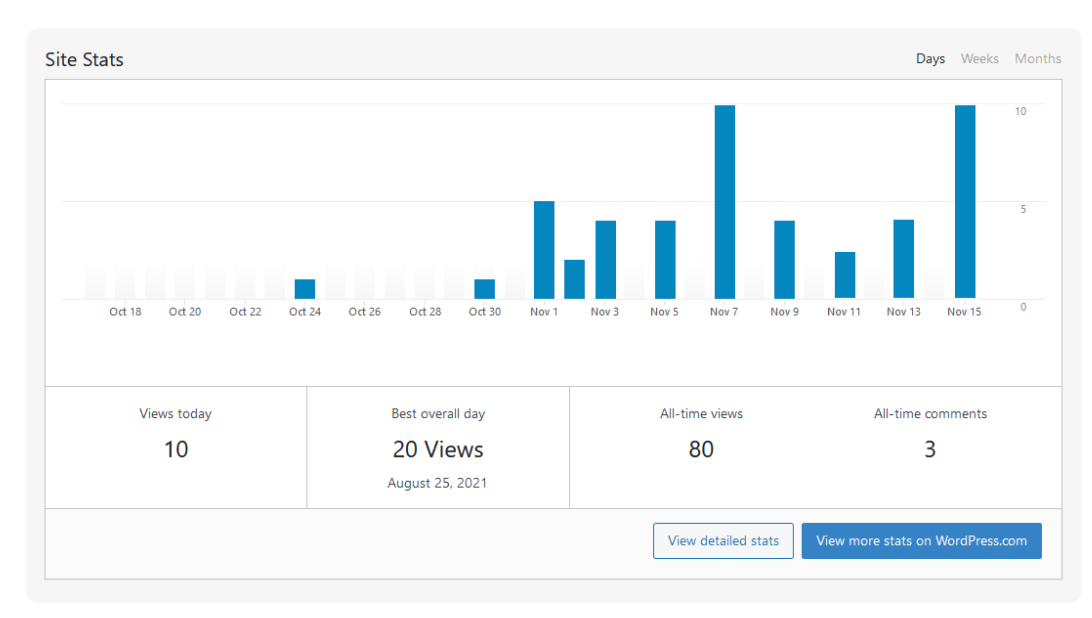
Customer feedback, CRM data, and support tickets also offer valuable insights. If you want to centralize everything, tools like Notion or Airtable are great for organizing and sharing persona documentation across teams.
What’s the difference between a buyer persona and a target audience?
A target audience is a broad group defined by shared traits like age, location, or industry. A buyer persona goes deeper and represents a detailed profile of a specific segment within that audience. It includes motivations, goals, pain points, behaviors, and context.
You market to your target audience, but you build content, offers, and experiences for your personas to drive better alignment and results.
How many buyer personas should my business have?
There’s no perfect number, but most growing businesses start with two to four buyer personas. The right count depends on your product range, marketing channels, and customer diversity.
Each persona should reflect a clearly distinct segment and, if two profiles overlap too much, consolidate them. Focus on depth and usability: it’s better to have a few strong personas that guide strategy than a dozen that no one uses.
Buyer persona template
↑ Back to topPersona name: (Give them a name that reflects their role or context — e.g., “Sarah – The Winter Bride” or
Demographics: What’s their age range, life stage, income level, job title, location, or household makeup? Include only what’s relevant to buying behavior.
Buyer role: Are they the primary decision-maker, researcher, gift-buyer, budget-holder, or influencer in the purchase?
Goals: What outcome are they hoping to achieve with your product? Focus on specific, real-world goals — not generic aspirations.
Challenges/Pain points: What gets in their way? What frustrates or slows down their decision-making?
Emotional drivers: What are they really looking for on a deeper level — ease, confidence, pride, relief?
Purchase behavior: How do they shop? Are they loyal, impulsive, discount-driven, comparison shoppers, mobile-first?
Interests and lifestyle: What are their hobbies, habits, or brand values that influence buying decisions?
Messaging hooks: What kinds of phrases, content formats, or guarantees help them say “yes” to purchase?
Preferred channels and devices: Where do they discover and interact with your brand?
Objections/Barriers to purchase: What are they hesitant about — price, trust, relevance, quality?
Journey stage: Are they in discovery, consideration, or decision phase when they encounter your brand?
Benefits of product offerings (to them): How does your product solve their challenge, meet their goal, and align with their values?


About




Super article. Bien utile. Je n’ai pas refait cet exercice depuis que j’ai fini mais étude. Cet article me motive pour en refaire à nouveau. Merci.
Thanks Clément! Glad you found it helpful!
I looks interesting 🤔 but I have no idea what I’m doing I need to start selling i don’t know on how many subscription I’m in trying to sale and I’m not even in a store yet 😅
Hi Luz! If you’re just starting out, I would give this guide a read. It’s full of helpful information about selling subscriptions online.
https://woocommerce.com/posts/how-to-sell-subscriptions-online/