




When Dan Oliver launched his healthy seasoning company, he traveled around the US, selling spices at markets and trade shows and sharing unscripted recipe videos on TikTok. He had no brand strategy or production budget, just a cutting board, strong opinions about food, and a dream. Today, Dan-O Seasonings has a loyal fan base that calls itself the “Dan-O Fan-Os.”
Customer loyalty like that doesn’t happen by accident. The key is for independent brands to decide early on who they are and stick with it. They don’t blend into a generic voice; they stay true to themselves.
Since AI began generating text, polished but shallow writing is everywhere. Consumers notice this and often ignore it. In this environment, a founder who appears unscripted and genuine in the kitchen is not just making a style choice; it’s a real advantage.
What is branding exactly? It’s the process of crafting a distinct identity for your company. It shapes how people perceive your business and helps you come to mind first when customers need your products or services.
Start with a real person, not a demographic
↑ Back to topBefore you work on your brand’s visuals and identity, figure out exactly who your core customers are.
Go beyond assumptions by gathering direct insights: interview real customers, run short surveys, or follow customer conversations about your category online. Seeing your audience as real people, not just broad groups, helps you position your brand more precisely. You can repeat this process for each unique audience group.
A helpful method is to write a sentence that a real customer would read and think, “That’s me.” For example: “people who read labels at the grocery store and feel quietly smug about it.” Be as specific as possible.
To refine your customer profiles, answer a few questions:
- How would they describe their problem to a friend — before they found you?
- How would they describe your product or service to a friend after buying it?
- What do they read, watch, or follow that’s relevant to this purchase?
Establish clear brand principles and boundaries
↑ Back to topA mission statement is a practical tool for setting clear boundaries for your brand. It helps guide decisions about which customers to focus on and where you fit in the market.
Nike’s mission is “to bring inspiration and innovation to every athlete in the world.” This works because “every athlete in the world” is a real commitment. It means Nike would refuse to make gear only for elite runners.
Google’s mission, “to organize the world’s information and make it universally accessible and useful,” means they would not keep search results private or create products that hide information.
Write your mission in one sentence and test it with a real decision. For example, if your mission is to make healthy eating accessible to busy parents, imagine you are offered a partnership with a luxury food brand that targets gourmet chefs. Does accepting fit your mission, or would you turn it down? If your mission helps you choose yes or no, it’s working. If it doesn’t, it’s just a tagline, not a true mission.
Make sure your brand identity is consistent and specific. This helps people recognize you and also helps AI systems categorize it correctly. If your brand descriptions vary across channels, automated systems may struggle to classify and recommend your offerings.
To maintain this consistency, set aside time each month for a quick audit across your main channels. Create a simple checklist covering website copy, social media bios, email templates, and order confirmations. Look for outdated phrases, off-brand messages, or mismatched tones. By regularly reviewing these touch points, you can spot and fix small inconsistencies before they become bigger problems.
Examples of brands that made a specific decision
↑ Back to topDan-O’s Seasonings: The founder is the brand
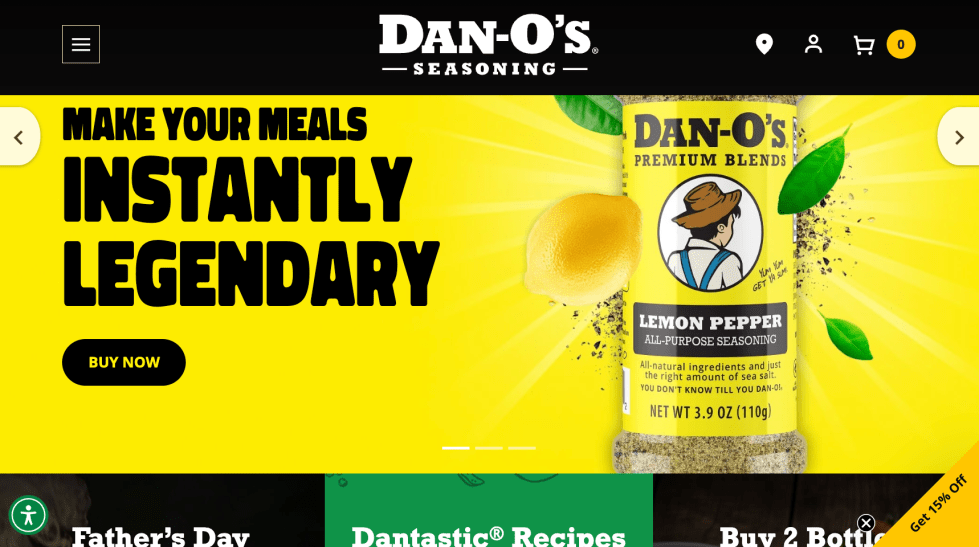
Dan Oliver stayed as the unscripted face of the brand in the kitchen as Dan-O’s grew. It kept the warmth and directness of its first TikTok videos, which helped build strong fan loyalty.
This approach means the brand avoids polished production, celebrity partnerships, or anything that would separate Dan from the product.
Learn more about Dan-O’s story.
Brodo: One strong commitment
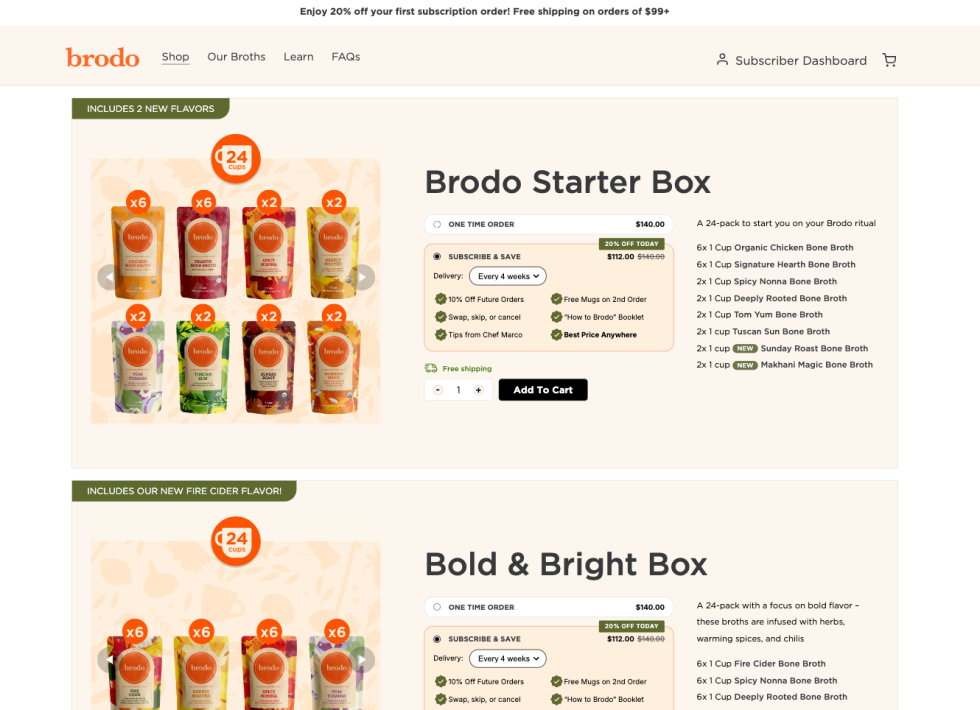
Marco Canora launched Brodo by selling cups of broth from a window in New York City. He was committed to offering real food without shortcuts. Now, Brodo’s products are sold nationwide at Whole Foods, and the brand still shows that commitment with earthy colors, simple packaging, and only ingredients you can pronounce.
This decision meant Brodo avoided adding new products that would compromise quality or use exaggerated marketing claims.
Offerman Woodshop: Voice as execution
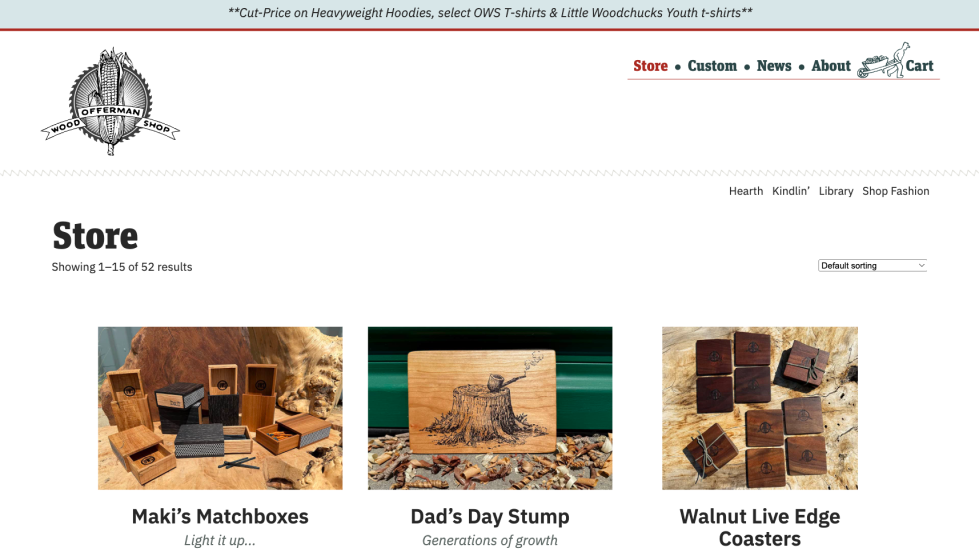
Nick Offerman’s Woodshop chose a warm voice, sometimes with a touch of Ron Swanson’s style. Here’s their product description for a whiskey box:
“Built for tipples and treasures, this box stylishly hides your prized bottle from the harmful rays of the sun and the covetous eyes of your guests. But if the well runs dry, you’ll find it’s a handsome vessel for your fishing tackle, bobble head collection, or stash of dried oregano.”
This style is used in everything they write, so none of their product descriptions sound generic.
Read more of Offerman Woodshop’s story.
Bring it to life visually
↑ Back to top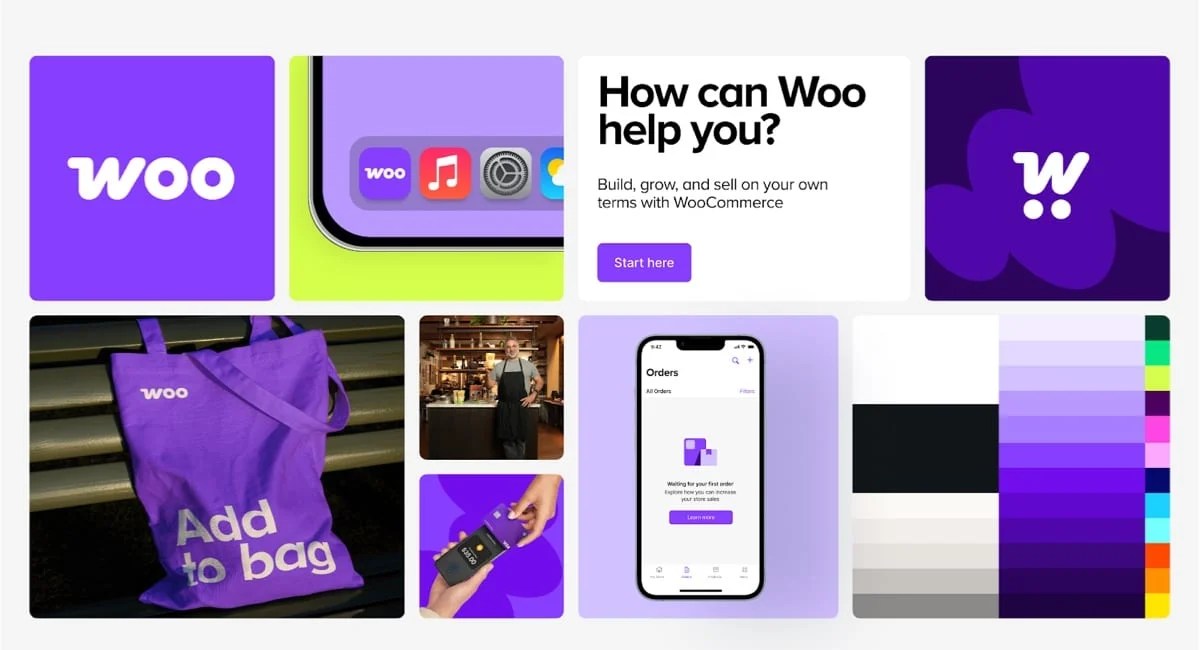
Once you know your audience and what your brand stands for, your visual identity will come naturally. Start by asking yourself what design best fits your brand. Only choose modern or trendy designs if they match your brand’s personality.
Brodo’s clean, simple design fits their commitment to wholesome simplicity. Dan-O’s uses bold colors and a lively style, just like Dan Oliver. Offerman Workshop mixes warmth, simplicity, and humor while still showing its passion for woodworking.
Gather your choices for the logo, colors, typography, imagery style, and voice guidelines into a brand document your team can use. This way, anyone writing a product description, email subject line, blog post, or social caption will follow the same approach.
Audit any off-brand touchpoints
↑ Back to topAn internal document is only useful if it helps your team handle the less exciting parts of your store.
Test your most basic customer touch points for consistency. Check your automated order confirmation emails, 404 error pages, and standard checkout fields. If the writing sounds like a generic template, you’ve found an area to improve.
Look for simple, specific ways to add your brand personality to these messages. For example, instead of a basic confirmation email that says, “Your order has been received,” a playful brand might write, “We’re whipping up your order and will have it on the way soon!” For a 404 page, instead of “Page not found,” you could use “Oops! Looks like this page wandered off the menu,” to match your tone. These small changes help every interaction feel personal and distinct.
Want a little inspiration? Get an in-depth look at the process of creating the new WooCommerce brand.


About
Esta página te mostrará a través de las técnicas más potentes para optimizar tu ranking en Google. Encontrarás cómo crear backlinks de alta calidad que aumenten la autoridad de tu dominio y generen tráfico orgánico valioso. Aprenderás a seleccionar las keywords correctas y a aplicar técnicas de link building que te ayudarán a subir posiciones en los SERPs. Si buscas optimizar tu sitio web y aumentar tu visibilidad online, esta guía es tu punto de partida esencial.
https://rugbycamisetas.com/nrl-rugby/canterbury-bankstown-bulldogs/
Great breakdown! The point about auditing off-brand touchpoints like order confirmation emails and 404 pages really resonated with me. As a WordPress & WooCommerce developer, I’ve seen store owners nail their homepage but completely overlook these post-purchase moments.
Authenticity truly outperforms polish – and a well-built WooCommerce store can reinforce brand consistency at every touchpoint, from checkout to transactional emails.
If you’re looking to implement these ideas technically, feel free to explore my work at https://vijaylathiya.com.
Thanks Christina for Great article!
Thanks, Vijay! I’m glad it resonated with you!
Guest Post request on blog on your sites
let me know the guest post and link insert price and TAT?
Great insights on building a strong brand identity. I especially liked the point about consistency across every customer touchpoint because even small details shape how people remember a brand. A clear voice, visuals, and customer experience all work together to create trust. Also, for businesses in the food and beverage space, having a well-structured menu and user-friendly experience matters a lot too. I recently came across 7 Brew Menu, which is a good example of how organized presentation helps visitors quickly find what they need while supporting overall brand experience.
Excellent overview. I always say, relying on AI today is the fastest way to become generic.
I have ecome for eyewear Reyesoptic.com and i want make it fresh and fast also active
Thank you for accepting me in this community digital marketing
3. Business Briefing / Business Proposal (Professional, Value-Emphasis) Shopware Payments: A Native Payment Solution Combining Performance and Autonomy. This system aims to eliminate pain points for merchants in payment operations. As a platform-native solution, it boasts the advantages of “no external dependencies and zero deployment complexity.” Merchants can run complete payment configurations directly within Shopware and maintain full control as their businesses scale through an open and flexible architecture. This service is built on PayPal’s core infrastructure, ensuring the most robust transaction performance.
A clear voice, visuals, and customer experience all work together to create trust. Also, for businesses in the food and beverage space 7 brew menu
having a well-structured menu and user-friendly experience matters a lot.
Example
Excellent article! I really liked the point that branding is much more than just a logo or color palette—it comes through every interaction a customer has with a business. Consistent messaging, intuitive navigation, and a well-organized website all help build trust over time. I noticed the same while working on a 7 Brew Menu resource, where presenting information in a clear and structured way made the experience much easier for visitors. Thanks for sharing these practical branding insights!
The Reaper level uses actual Carolina Reaper, so it’s in the millions of SHU, not the thousands. There’s a full per-level estimate table that finally made it click for me. Here’s the Dave’s Hot Chicken Scoville breakdown.
Trending
An AI’s answer is only as up-to-date as the documentation it uses
By David Wilson •
Meet your customers where they’re already deciding with Reddit Ads for WooCommerce
By Patrick Allanach •
Why grüum evaluated Shopify and Magento — and chose to stay with WooCommerce
By Christina Bevitori •
Never miss a beat — join our mailing list
Please enter a valid email.
View our privacy policy. You can unsubscribe anytime.
There was an error subscribing; please try again later.
Thanks for subscribing!
Emails will be sent to
You're already subscribed!
Emails are sent to