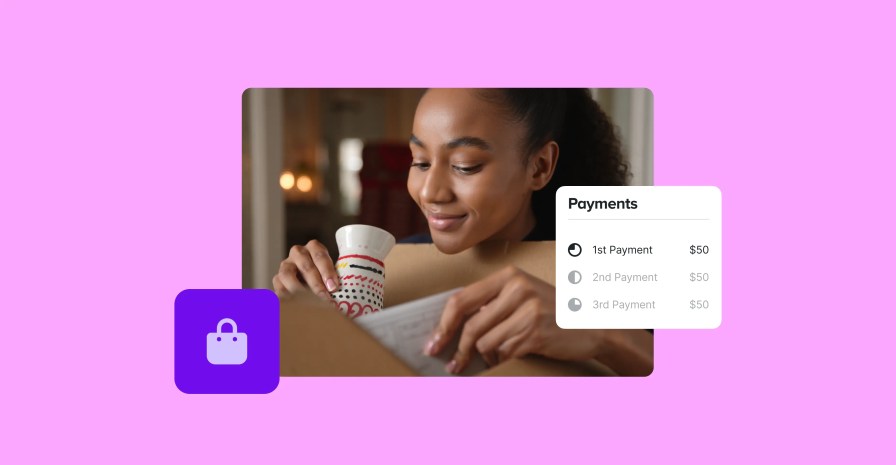
A $15 candle shop and a $250 designer-jacket shop both pay a 2.9% processing rate plus a flat $0.30 fee. However, the flat fee represents a larger percentage of each candle sale.
For the candle shop, processing fees approach 5% of each sale, compared to about 3% for the jacket shop. Analyzing how flat fees impact different order sizes enables more strategic pricing decisions.
Selecting the right payment provider depends on factors such as average order size, customer payment preferences, subscription offerings, customer location, and in-person sales channels. These criteria help narrow the field and allow you to compare total costs across providers directly.
What you’re choosing when you select a payment gateway
↑ Back to topYour choice decides how your store connects to the financial services that process payments and send money to your bank account. Many providers handle the whole process, which has three main parts:
- The payment gateway securely sends payment details from your checkout to the processor.
- The payment processor communicates with card networks and banks to authorize the payment and move the funds.
- The merchant account receives proceeds from card payments before it pays them out to your business bank account.
Providers like WooPayments, Stripe, Square, and PayPal combine these functions into one service. This lets you accept payments without opening a separate merchant account.
A separate merchant account is useful if you want to keep your current processing agreement or negotiate terms that more closely match your sales volume. Authorize.net is an example of this type of provider.
When comparing options, consider the full cost, including both gateway and account fees.
Narrow your options around your business
↑ Back to topEcommerce business model and operational location both influence which payment gateway aligns best with business needs.
Can the payment provider support your business?
Begin by reviewing the provider’s supported countries and restricted business categories.
Payment providers support merchants in specific countries due to varying banking regulations. A provider with global payment acceptance may still restrict account openings by country. For example, a Hong Kong-based business selling primarily to US customers requires a provider that supports merchants in Hong Kong.
Confirm the business category is allowed and review product restrictions before evaluating features. Categories such as CBD, alcohol, tobacco, or vaping products are subject to varying rules by provider and country. Even legal products may be restricted or require approval before you can process payment.
How do your customers prefer to pay?
In the US, most customers start with cards and digital wallets.
Mobile shoppers can check out faster with a digital wallet than by typing card details on a small screen.
For international sales, check which currencies and local payment methods customers use. For example, a business expanding into the Netherlands should look for support for iDEAL or Wero. These are the most popular online payment methods there, so offering them gives Dutch customers a familiar way to pay.
Other countries offer comparable payment solutions. Prioritize payment methods that streamline the purchasing process for the customer base.
Does it support the way you sell?
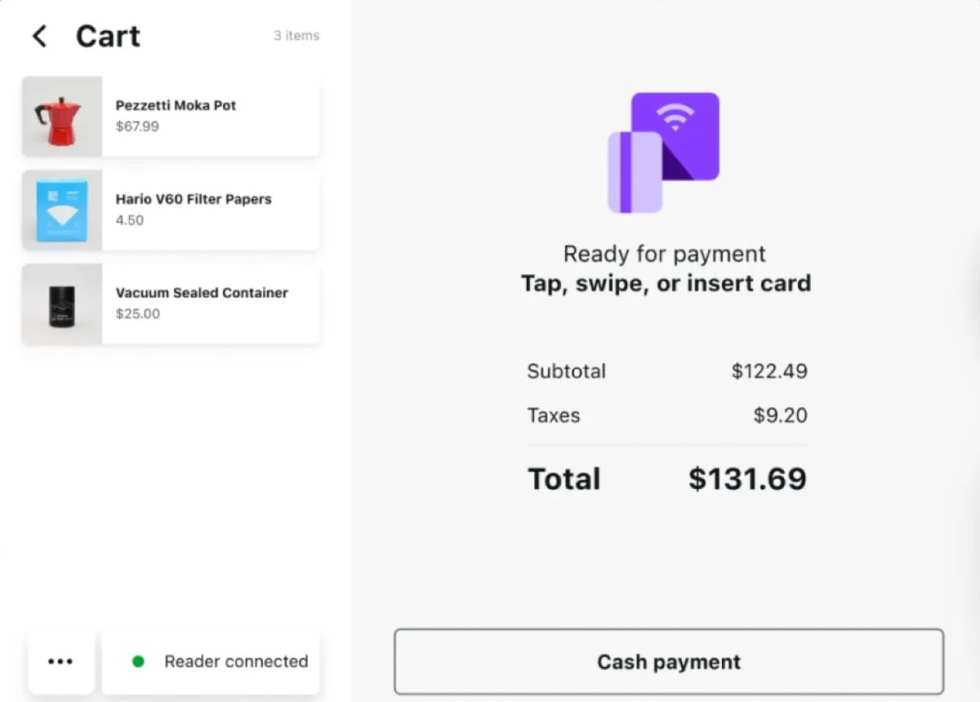
An online-and-in-person business should check if the provider works with its point-of-sale system. Linking them makes it easier to manage payments and track sales across channels. For example, WooCommerce POS users can connect payments and sync product inventory with their online store.
Subscription businesses should confirm the payment gateway works with their subscription extension. This supports automatic renewals and options like changing plans or updating payment methods. WooCommerce Subscriptions users can check a payment gateway comparison to see which features each provider supports.
Calculate what payment processing will cost your store
↑ Back to topAfter identifying a shortlist of payment gateway providers that align with operational requirements, compare costs based on order values and sales volume.
Most payment providers charge a percentage of each transaction along with a fixed fee. The fixed component has a greater impact on smaller order values. Here’s the formula to estimate your monthly payment processing costs:
(Monthly card payment volume × percentage rate) + (Number of card payments × fixed fee) = Estimated monthly processing fees
Account for costs beyond the providers’ primary rate. Check each provider’s pricing for:
- International payments and currency conversion: These are separate fees. Providers may charge an international payment fee even without currency conversion.
- Refunds and disputes: Do they return processing fees on refunds? What do disputes cost?
- Monthly and gateway fees: Include account charges, minimum fees, and paid extensions.
- Payment methods: Check rates for wallets, bank payments, and buy now, pay later.
Apply each provider’s rates to identical sales figures and payment mixes. For an accurate comparison, calculate the total monthly cost for each option based on the same business data. For rates that apply to your business, check the WooPayments fee schedule for your country and payment methods.
Find out when and how you get paid
↑ Back to topAn effective payment provider supports revenue tracking, issue resolution, and uninterrupted order processing. Assess payment availability timelines, payout frequency, and bank processing times. A successful transaction does not guarantee immediate access to funds.
When supplier payments precede order fulfillment, payout timing directly impacts cash flow requirements. WooPayments distinguishes between pending funds and when funds are available to transfer to the business bank account.
Review the provider’s reserve policy. A reserve is a portion of funds temporarily held to cover potential refunds or disputes, which remains unavailable for payouts until released. Understanding reserve requirements is critical for managing cash flow and order fulfillment.
Consider everyday payment management
↑ Back to topPayment processing also involves refunds, disputes, and fraud prevention.
Consider scenarios such as a customer returning a single item from a multi-item order. The ability for the team to locate the payment and process a partial refund directly from the order screen is essential. In the event of a dispute, clear visibility into deadlines and documentation submission processes supports efficient resolution.
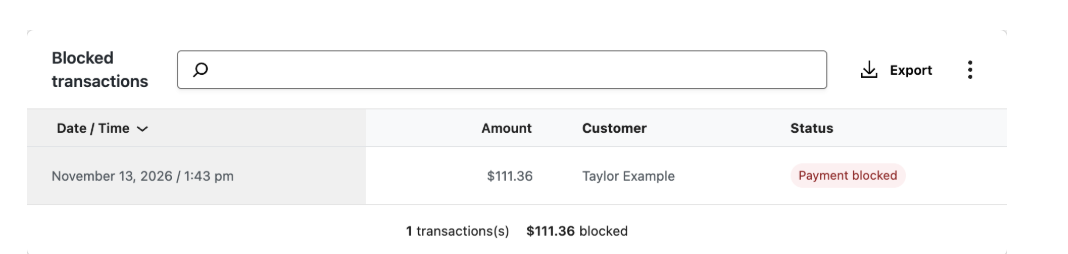
Evaluate built-in fraud controls and the ability to configure them. Optimal settings balance fraud mitigation with a seamless checkout experience for legitimate customers.
WooPayments comes with essential fraud protection and advanced rules you can configure. Customers can also enter card details in your checkout without your server handling raw card data, thanks to secure payment fields. This ultimately simplifies part of your Payment Card Industry Data Security Standard (PCI DSS) compliance work.
Follow provider guidance to secure the ecommerce environment and meet setup requirements.
Choose a setup you can adapt with WooCommerce
↑ Back to topAlign payment processing infrastructure with current and future sales channels. WooCommerce supports multiple gateways, enabling you to add payment options as customer and business requirements evolve.
For many eligible businesses, WooPayments offers an uncomplicated starting point.
WooCommerce charges no setup or monthly fees for online payments. Apple Pay and Google Pay use the same processing rates as cards, and your WooCommerce dashboard includes payment management.
Integrate existing Stripe accounts via the Stripe extension. You can deploy multiple gateways concurrently.
Prior to switching providers, evaluate how the new provider manages existing subscription renewals and stored payment methods. Saved payment credentials remain linked to the current processor; enabling a new gateway does not automatically transfer them.
Ready to put a top choice to the test? Get started with WooPayments and use test mode to try the checkout and refund process before accepting live payments.


About