
REPORTiT helps WooCommerce store owners turn store data into actionable insights through advanced reports and analytics for sales, products, customers, inventory, orders, taxes, locations, and more.
This documentation explains how to install and configure REPORTiT, use its reports and filters, analyze your store data, export reports, schedule automated email reports, and extend REPORTiT with available add-ons.
Getting Started
↑ Back to topIntroduction to REPORTiT
↑ Back to topLearn what REPORTiT offers and how its reporting tools can help you better understand your WooCommerce store.
REPORTiT provides a centralized reporting environment for analyzing your WooCommerce data without relying on manual spreadsheet-based reporting.
Depending on your configuration and enabled add-ons, you can analyze:
- Sales and revenue
- Orders and refunds
- Products and variations
- Customers
- Inventory and stock
- Coupons
- Taxes
- Locations
- Order attribution
- Forecasting and period comparisons
- Cost and profitability data
Installation
↑ Back to topTo start using a product from WooCommerce.com, you can use the “Add to store” functionality on the order confirmation page or the My subscriptions section in your account.
- Navigate to My subscriptions.
- Find the Add to store button next to the product you’re planning to install.
- Follow the instructions on the screen, and the product will be automatically added to your store.
Alternative options and more information at:
Managing WooCommerce.com subscriptions.
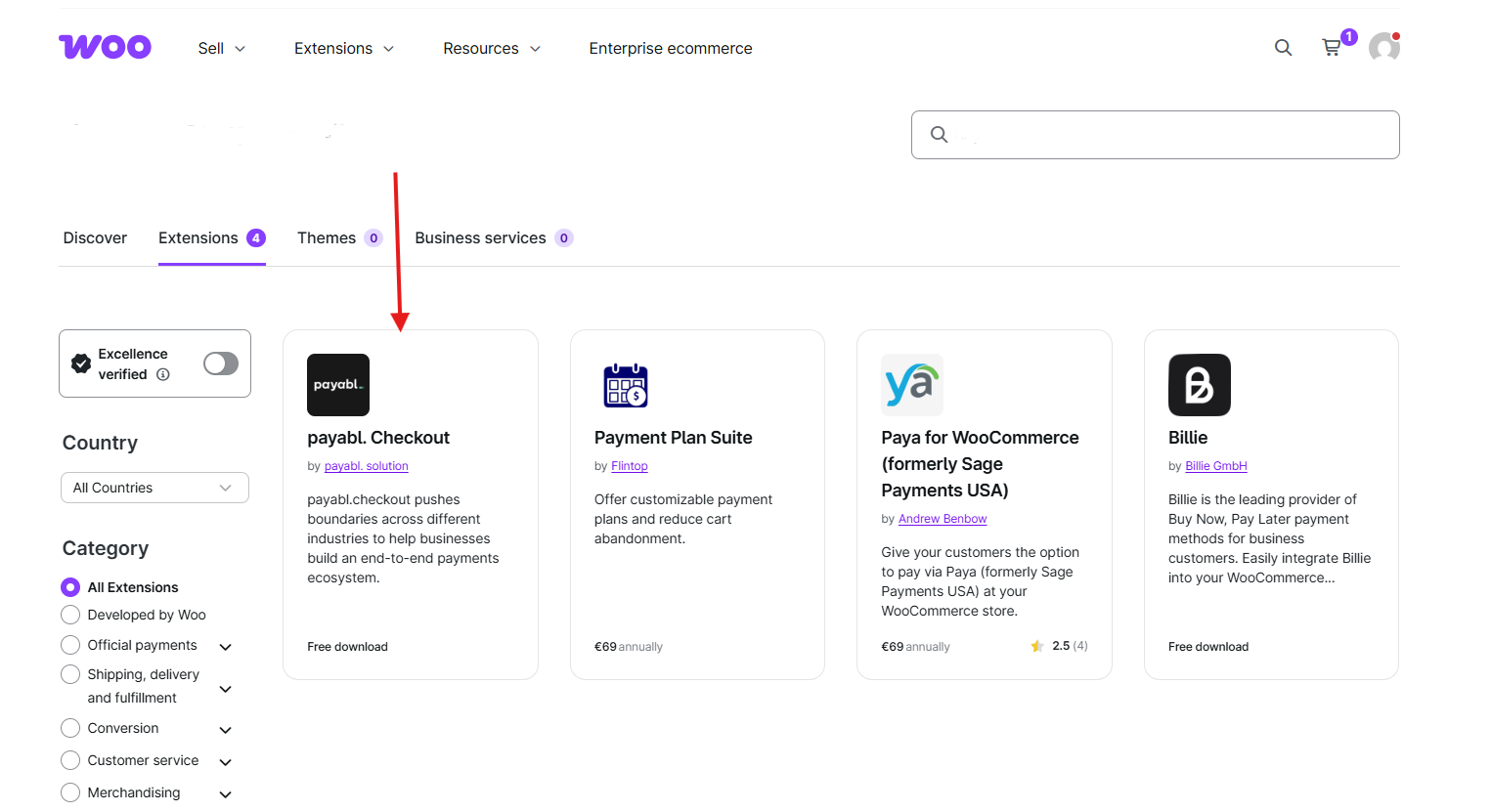
In the First Method, follow as below:
- Log in to your WooCommerce.com account.
- Navigate to My Subscriptions.
- Find Bulk Orders Editing in your list of products.
- Click Add to store next to the product.
- Follow the on-screen instructions to connect your site and complete the installation.
Second Method
↑ Back to top- Download the .zip file from your WooCommerce account.
- Go to: WordPress Admin > Plugins > Add New and Upload Plugin with the file you downloaded with Choose File.
- Click Install Now.
- Click Activate Plugin.
More information at: Installing and Managing Plugins.
Setup and Configuration
↑ Back to topOnce REPORTiT is installed and activated:
- Open REPORTiT from your WordPress administration area.
- Select the report you want to analyze.
- Choose the required date range.
- Apply filters when necessary.
- Review the summary metrics and report data.
- Use available charts and tables to analyze the results.
- Export the report when you need the data outside WordPress.
Most reports follow a similar workflow, making it easy to move between different areas of your store data.
Usage
↑ Back to topREPORTiT provides multiple report types for analyzing different aspects of your WooCommerce store.
Sales Reports
↑ Back to topAnalyze your store’s sales performance over selected time periods.
Depending on the report, you can review metrics such as:
- Sales
- Net sales
- Orders
- Items sold
- Refunds
- Discounts
- Taxes
- Shipping
- Average order value
Use date filters and available comparison tools to identify changes in sales performance over time.
Product and Variation Reports
↑ Back to topAnalyze the performance of individual products and variations.
Product and variation reports can help you understand:
- Products sold
- Variations sold
- Sales performance
- Orders
- Refunds
- SKU information
- Product categories and tags
- Prices
- Stock information
You can apply filters to narrow the results and export report data for additional analysis.
Customer Reports
↑ Back to topUse customer reports to better understand purchasing behavior and customer activity.
Depending on the available report, you can analyze:
- Customer orders
- Customer spending
- Purchase history
- First and latest purchases
- Customer activity
- Minimum and maximum spending
- Customer-related sales metrics
Customer reports can help identify valuable customers and understand purchasing patterns.
Inventory and Stock Reports
↑ Back to topMonitor product and inventory-related information through dedicated reports.
Use inventory reports to identify products that may require attention based on available sales and stock data.
These reports can help you:
- Review current stock information
- Identify products with low stock
- Analyze products with limited or no sales
- Compare stock-related information with sales performance
Coupon Reports
↑ Back to topAnalyze WooCommerce coupon usage and its effect on store sales.
Depending on the selected report, you can review coupon-related information such as:
- Coupons used
- Orders using coupons
- Discount amounts
- Sales associated with coupons
Tax Reports
↑ Back to topReview tax-related WooCommerce data through dedicated reporting tools.
Use available filters and date ranges to analyze tax information across your store’s orders.
Location Reports
↑ Back to topAnalyze sales and order information based on customer location data.
Location-based reports can help you understand where your customers and sales are coming from.
Available location reports may include billing and shipping information depending on the selected report.
Order Attribution Reports
↑ Back to topAnalyze available order attribution information to better understand the source or context of your orders.
Attribution data depends on the information recorded by WooCommerce and compatible integrations on your website.
Forecast and Comparison Reports
↑ Back to topUse comparison and forecasting tools to identify changes and trends in your store performance.
Depending on the report, you can compare different periods and review historical performance to support business planning.
Using Report Filters
↑ Back to topDepending on the selected report, available filters may include:
- Date and time
- Products
- Product variations
- Categories
- Tags
- Customers
- Orders
- Order status
- Sales values
- Stock-related values
- Other report-specific criteria
Available filters vary between reports.
After selecting your criteria, apply the filters to update the report results.
Date Ranges
↑ Back to topUse the date selector to analyze a specific period.
You can select predefined periods or enter a custom date range when supported by the report.
Date ranges allow you to analyze daily, weekly, monthly, quarterly, yearly, or custom periods depending on the selected report.
Comparing Periods
↑ Back to topWhere supported, REPORTiT allows you to compare results across different time periods.
Period comparisons can help you identify:
- Sales growth or decline
- Changes in order volume
- Changes in product performance
- Customer activity trends
- Other changes in report metrics
Customizing Report Columns
↑ Back to topMany REPORTiT reports allow you to customize the information displayed in the report table.
Use column controls to display the fields that are most relevant to your analysis.
Charts and Visual Analysis
↑ Back to topREPORTiT uses charts and visual summaries in supported reports to make large amounts of store data easier to understand.
Depending on the selected report, you may be able to:
- View performance trends over time
- Change chart intervals
- Switch between available chart types
- Review summary metrics
- Analyze detailed table data
The available visualization options depend on the report.
Exporting Reports
↑ Back to topREPORTiT allows you to export supported report data for further analysis or record keeping.
Depending on the report, available export formats may include:
- CSV
- Excel
Before exporting, you can use available filters and column settings to control the data included in the report.
Scheduled Email Reports
↑ Back to topREPORTiT supports automated email reporting for supported reports.
Scheduled reports allow you to receive selected reporting information automatically without opening the WordPress dashboard every time.
Depending on the available configuration, you can schedule reports for recurring delivery and select the recipients who should receive them.
Typical use cases include:
- Daily sales monitoring
- Weekly business summaries
- Monthly performance reports
- Regular inventory monitoring
Add-ons
↑ Back to topREPORTiT can be extended with additional add-ons for specific reporting requirements.
COGS – Cost of Goods Sold
The COGS add-on adds cost information to REPORTiT and helps you analyze profitability-related metrics.
Use it when you need to compare product costs with sales performance and better understand margins.
Permissions Add-on
The Permissions add-on allows you to control REPORTiT access for individual users.
This is useful when different team members need access to reporting features without giving everyone the same level of access.
Brand Analytics Add-on
The Brand Analytics add-on adds brand-level reporting capabilities when used with supported WooCommerce brand plugins.
Use it to analyze sales and performance across different brands.
Invoice Generator Add-on
The Invoice Generator add-on extends REPORTiT with invoice-related functionality for WooCommerce orders.
Multi-Currency Add-on
The Multi-Currency add-on extends REPORTiT for stores working with multiple currencies.
Compatibility
↑ Back to topWooCommerce HPOS
REPORTiT supports WooCommerce High-Performance Order Storage (HPOS).
If your store uses HPOS, make sure WooCommerce and REPORTiT are updated to supported versions.
Legacy WooCommerce Order Storage
REPORTiT also supports stores using the traditional WooCommerce order storage system where supported by the current plugin version.
Compatible Plugins
Some REPORTiT features and add-ons can work with other WooCommerce plugins to provide additional reporting capabilities.
For compatibility information, see the relevant REPORTiT documentation for each integration.
Troubleshooting
↑ Back to topReport Data Looks Incorrect
↑ Back to topIf report results do not match your expectations:
- Check the selected date range.
- Review the active filters.
- Check the order statuses included in the report.
- Verify that the orders you are expecting are actually included in the selected criteria.
- Check whether refunds, discounts, taxes, or other adjustments affect the reported values.
- Make sure REPORTiT and WooCommerce are updated to supported versions.
If the issue persists, contact iThemeland support with details about the report and the expected results.
Scheduled Emails Are Not Received
↑ Back to topIf a scheduled report is not delivered:
- Check that the schedule is enabled.
- Verify the recipient email address.
- Check your WordPress email configuration.
- Test whether other WordPress emails are being delivered successfully.
- Check your hosting or SMTP configuration if necessary.
For stores with unreliable WordPress email delivery, configuring a reliable SMTP service may improve email delivery.
Large Reports or Slow Queries
↑ Back to topLarge stores may require more server resources when generating reports over large date ranges.
If a report takes too long to generate:
- Narrow the selected date range.
- Apply additional filters.
- Avoid generating unnecessarily large reports.
- Check your hosting resources and PHP memory limit.
- Make sure WordPress and WooCommerce are properly optimized.
FAQs
↑ Back to topHelp customers by answering commonly asked questions.
Does REPORTiT work with WooCommerce HPOS?
Yes. REPORTiT supports WooCommerce High-Performance Order Storage (HPOS).
Can I export REPORTiT data?
Yes. Supported reports can be exported in available formats such as CSV and Excel.
Can I schedule reports by email?
Yes. REPORTiT provides scheduled email reporting for supported reports.
Can REPORTiT analyze product variations?
Yes. REPORTiT includes reporting tools for analyzing WooCommerce product variations.
Does REPORTiT support multiple currencies?
Multi-currency functionality is available through the REPORTiT Multi-Currency add-on.